Find the Best Nonprofit CRM Software US
best nonprofit CRM software US

Find the Best Nonprofit CRM Software US

Unlock greater efficiency and impact for your mission with the right CRM solution tailored for US nonprofits.

Explore Solutions

Key Takeaways

  • ✓ Over 75% of US nonprofits use some form of CRM to manage donor relations.
  • ✓ Integrated fundraising tools are a top priority for US nonprofits selecting CRM.
  • ✓ Cloud-based CRM solutions offer greater flexibility and accessibility for remote teams.
  • ✓ Data security and compliance (e.g., PCI-DSS for donations) are critical considerations.

How It Works

1
Assess Your Needs

Identify your nonprofit's specific requirements, including donor volume, fundraising methods, communication strategies, and integration needs. This foundational step ensures you select a system that genuinely aligns with your operational goals and budget.

2
Research Top Providers

Explore leading CRM solutions specifically designed for US nonprofits, focusing on features, pricing, and customer reviews. Look for platforms that offer robust donor management, reporting, and communication tools to support your mission effectively.

3
Request Demos & Trials

Engage with vendors by requesting personalized demonstrations and free trials to experience the software firsthand. This allows you to evaluate user-friendliness, functionality, and how well the system addresses your unique challenges before making a commitment.

4
Implement & Optimize

Once chosen, work with your team to implement the CRM, migrate data, and train staff on its features. Continuously monitor performance, gather feedback, and optimize its use to ensure maximum efficiency and impact on your fundraising and engagement efforts.

Understanding Nonprofit CRM Essentials for US Organizations

A volunteer organizes food and clothing donations in a community center, maintaining records on a clipboard. Photo: Gustavo Fring / Pexels
For any nonprofit organization in the United States, managing donor relationships, tracking contributions, and effectively communicating with supporters are paramount to achieving their mission. This is where a robust Customer Relationship Management (CRM) system, specifically designed for nonprofits, becomes indispensable. Unlike generic business CRMs, nonprofit CRMs are tailored to address the unique needs of charitable organizations, focusing on donor lifecycle management, fundraising campaign tracking, grant management, volunteer coordination, and impact reporting. At its core, a nonprofit CRM serves as a centralized database for all interactions and data related to your constituents – donors, volunteers, beneficiaries, and partners. This includes contact information, donation history, communication preferences, event attendance, and engagement levels. Having this comprehensive view allows organizations to personalize outreach, cultivate stronger relationships, and ultimately drive greater support for their cause. For US-based nonprofits, considerations like compliance with IRS regulations for charitable giving, secure payment processing, and integration with common US fundraising platforms are often critical. Choosing the best nonprofit CRM software US options requires a deep dive into your organization's specific operational needs and strategic goals. Are you primarily focused on individual donor cultivation, or do you also manage grants and corporate sponsorships? Do you host numerous events, or is your fundraising primarily online? The answers to these questions will significantly influence the features you prioritize in a CRM. Beyond just data storage, the ideal system should empower your team with actionable insights, automate routine tasks, and facilitate seamless collaboration across departments. It's an investment in your organization's future sustainability and growth, enabling you to tell your story more effectively and connect with supporters on a deeper level. Without a specialized CRM, many nonprofits struggle with fragmented data, inconsistent communication, and missed opportunities for engagement, directly impacting their ability to fulfill their vital work. Ensuring your chosen platform offers strong reporting capabilities is also crucial, allowing you to demonstrate impact to stakeholders and refine your strategies. Learn more about effective nonprofit management strategies here. Furthermore, the best nonprofit CRM software US solutions often offer integration capabilities with other essential tools, such as accounting software (e.g., QuickBooks), email marketing platforms (e.g., Mailchimp), and online fundraising tools (e.g., Classy, Blackbaud Merchant Services). This interoperability creates a unified ecosystem, reducing manual data entry, minimizing errors, and providing a holistic view of your operations. The goal is to move beyond mere record-keeping to a dynamic system that actively supports your fundraising, marketing, and programmatic efforts, making your organization more efficient and impactful.

Key Features to Look for in US Nonprofit CRM Software
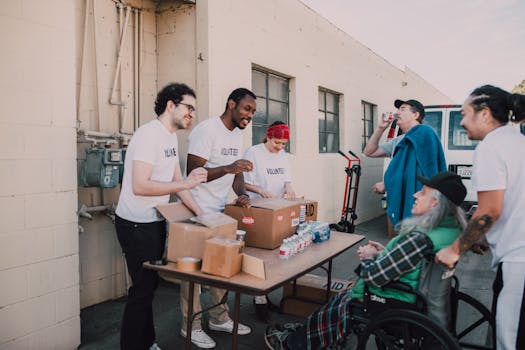
A group of diverse volunteers engaging in a community service activity outdoors, providing aid and support. Photo: RDNE Stock project / Pexels
When evaluating the best nonprofit CRM software US providers, several core features stand out as essential for maximizing efficiency and impact. First and foremost is robust donor management. This includes the ability to meticulously track every donor interaction, donation amount, giving frequency, and communication history. A comprehensive donor profile should offer a 360-degree view, enabling personalized outreach and tailored stewardship strategies. This isn't just about recording transactions; it's about understanding donor motivations and building lasting relationships. The system should allow for segmentation of donors based on various criteria, facilitating targeted campaigns that resonate with specific groups. Secondly, integrated fundraising tools are non-negotiable. This encompasses online donation forms, peer-to-peer fundraising capabilities, event management modules, and grant tracking. Ideally, these tools should be seamlessly integrated with the donor database, so all fundraising activities automatically update donor records. This eliminates manual data entry, reduces errors, and provides real-time insights into campaign performance. For US nonprofits, ensuring these tools are compliant with relevant regulations (like PCI-DSS for credit card processing) is paramount for security and trust. The ability to manage recurring donations and pledges efficiently is also a critical component for sustainable fundraising. Thirdly, communication and marketing automation features are vital for engaging supporters. This includes email marketing integrations, personalized communication templates, and automated workflows for donor acknowledgements, thank-yous, and appeals. The CRM should help you segment your audience and send relevant messages, improving open rates and engagement. Effective communication is the backbone of donor retention, and a good CRM streamlines this process, ensuring no supporter feels overlooked. Reporting and analytics capabilities form the fourth crucial feature set. Nonprofits need to demonstrate impact and financial stewardship to boards, donors, and regulators. A strong CRM will offer customizable dashboards, comprehensive financial reports (e.g., revenue by campaign, donor retention rates), and the ability to track key performance indicators (KPIs). These insights are invaluable for strategic planning, identifying trends, and optimizing fundraising efforts. The data should be easily exportable and presentable, aiding transparency and accountability. Finally, ease of use, scalability, and customer support are often overlooked but equally important. The best nonprofit CRM software US options should be intuitive for your staff to learn and use, reducing training time and increasing adoption. As your organization grows, the CRM should be able to scale with your needs, accommodating more donors, campaigns, and users without disruption. Reliable customer support, including training resources and technical assistance, ensures you can maximize your investment and troubleshoot any issues promptly. These features collectively empower nonprofits to operate more strategically and effectively.

Top Contenders for the Best Nonprofit CRM Software in the US
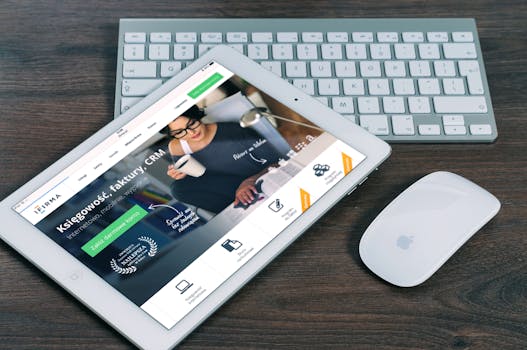
A tablet with a financial website open, alongside a white keyboard and mouse. Ideal for tech-theme stock images. Photo: Pixabay / Pexels
When delving into the landscape of the best nonprofit CRM software US solutions, several platforms consistently rise to the top, each offering unique strengths tailored to different organizational sizes and needs. Salesforce Nonprofit Cloud, built on the world's leading CRM platform, is a powerhouse for larger and rapidly scaling nonprofits. It offers unparalleled customization, extensive integrations through its AppExchange, and robust capabilities for donor management, fundraising, program management, and marketing automation. While it comes with a steeper learning curve and potentially higher costs, its flexibility and comprehensive feature set make it a favorite for organizations with complex requirements and dedicated IT resources. Many US nonprofits leverage its grant program for discounted licenses. Another strong contender is Blackbaud, a long-standing leader in the nonprofit technology space. Their suite of products, including Raiser's Edge NXT and eTapestry, caters to a wide range of nonprofits. Raiser's Edge NXT is particularly popular among mid-sized to large organizations for its advanced fundraising analytics, prospect research tools, and comprehensive donor management. eTapestry, on the other hand, is often preferred by smaller to medium-sized nonprofits for its user-friendly interface and essential fundraising features. Blackbaud's deep understanding of the nonprofit sector and extensive support resources make them a reliable choice for many US charities. Bloomerang has gained significant traction for its focus on donor retention and engagement. It offers intuitive tools for donor communication, smart constituent profiles, and an emphasis on data-driven insights to help nonprofits cultivate lasting relationships. Its user-friendly interface and strong emphasis on practical fundraising advice make it an excellent choice for organizations prioritizing donor stewardship. This platform is particularly well-suited for small to medium-sized nonprofits looking for an easy-to-use system that provides actionable guidance on donor engagement strategies. NeonOne, which includes NeonCRM, is another comprehensive solution offering a wide array of features such as donor management, fundraising, event registration, membership management, and volunteer tracking. Its all-in-one approach appeals to organizations seeking to consolidate various functions into a single platform. NeonOne's flexibility and modular design allow nonprofits to choose the features that best fit their current needs, with options to expand as they grow. Discover more about choosing the right software for your nonprofit. Finally, Virtuous provides a modern, responsive fundraising platform that emphasizes personalized donor journeys and impact storytelling. It leverages automation and intelligent insights to help nonprofits build deeper relationships with their supporters. Virtuous is often chosen by organizations looking for a cutting-edge CRM that supports multi-channel engagement and sophisticated marketing campaigns. Each of these platforms offers unique advantages, and the 'best' choice ultimately depends on a nonprofit's specific budget, size, technical capabilities, and fundraising strategy within the US context.

Avoiding Common Pitfalls When Implementing Nonprofit CRM in the US

A group of diverse volunteers organizing donated items in a community center. Photo: Gustavo Fring / Pexels
Implementing a new nonprofit CRM system in the US can be a transformative experience, but it's also fraught with potential pitfalls if not approached strategically. One of the most common mistakes is failing to adequately define your organization's needs before selecting a system. Many nonprofits get swayed by flashy features without considering if those features align with their actual workflows and strategic objectives. This can lead to purchasing an overly complex system that staff struggle to adopt, or a system that lacks critical functionalities needed for your specific fundraising or programmatic activities. Prioritize a thorough internal assessment of current processes, pain points, and future goals before even looking at vendors. Another significant pitfall is neglecting data migration and cleanup. Your old data, if messy, will only create a messy new system. Before migrating, dedicate time and resources to cleaning, de-duplicating, and standardizing your existing donor and constituent data. This ensures the integrity of your new CRM and maximizes its effectiveness from day one. Inadequate data migration can lead to frustration, inaccurate reporting, and a lack of trust in the new system among staff. Underestimating the importance of staff training and user adoption is also a frequent misstep. Even the most powerful CRM is useless if your team doesn't know how to use it or isn't motivated to do so. Plan for comprehensive training sessions, create user-friendly documentation, and designate internal champions who can support their colleagues. Encourage feedback and celebrate early successes to build momentum and foster a culture of adoption. A phased rollout can also help ease the transition and allow staff to adapt gradually. Here are some key mistakes to avoid: * **Lack of Internal Buy-in:** Without support from leadership and key staff, any CRM implementation is likely to fail. Ensure stakeholders are involved from the outset. * **Ignoring Integration Needs:** Failing to consider how the CRM will integrate with other essential tools (accounting, email marketing, website) can lead to data silos and inefficient workflows. * **Over-Customization:** While flexibility is good, over-customizing a CRM can make updates difficult, increase costs, and complicate support. Stick to essential customizations first. * **Neglecting Post-Launch Optimization:** A CRM isn't a 'set it and forget it' tool. Regularly review usage, gather feedback, and make adjustments to optimize its performance and ensure it continues to meet evolving needs. * **Poor Vendor Relationship:** Choose a vendor that offers strong support and is a true partner, not just a seller. A good relationship is crucial for troubleshooting and long-term success.

Comparison

FeatureSalesforce Nonprofit CloudBlackbaud Raiser's Edge NXTBloomerang
Donor ManagementHighly Customizable, RobustComprehensive, Advanced AnalyticsIntuitive, Donor Retention Focused
Fundraising ToolsExtensive, AppExchange IntegrationsIntegrated, Grant ManagementOnline Forms, Email Automation
ScalabilityEnterprise-level, Highly ScalableMid to Large OrganizationsSmall to Mid-sized Organizations
Ease of UseSteep Learning CurveModerateHigh
Reporting & AnalyticsAdvanced, Customizable DashboardsStrong, Prospect ResearchActionable Insights, KPI Tracking
Pricing ModelTiered, Discounted LicensesSubscription, Varies by ModulesSubscription, Based on Contacts
IntegrationsVast AppExchangeGood, Blackbaud EcosystemGood, API Available

What Readers Say

"Finding the best nonprofit CRM software US was crucial for our growing food bank. Salesforce Nonprofit Cloud transformed our donor tracking and campaign management. We now have a holistic view of every supporter, allowing us to personalize appeals and improve our retention rate significantly. It's truly powerful."

Sarah Chen · Austin, TX

"Bloomerang has been a game-changer for our small educational foundation. Its focus on donor engagement and user-friendly interface made it easy for our team to adopt. We've seen a noticeable increase in recurring donations since implementing it last year, making it one of the best nonprofit CRM software US solutions for us."

David Ramirez · Miami, FL

"As a large animal welfare organization, Blackbaud Raiser's Edge NXT proved to be the best nonprofit CRM software US option for our complex needs. Its advanced analytics helped us identify high-potential donors, leading to a 15% increase in major gifts within the first year. The comprehensive reporting is invaluable."

Maria Rodriguez · Chicago, IL

"NeonCRM offers a robust all-in-one solution that's quite good for mid-sized nonprofits. While the initial setup required some effort, the integrated event management and membership tools have streamlined many of our operations. It's a strong contender among the best nonprofit CRM software US providers, though support sometimes takes a bit."

James O'Connell · Seattle, WA

"Our arts nonprofit needed a CRM that could handle both donations and volunteer management seamlessly. Virtuous has exceeded our expectations, providing an intuitive platform that helps us build authentic relationships with our community. It truly stands out as one of the best nonprofit CRM software US options for engagement-focused organizations."

Emily White · Denver, CO

Frequently Asked Questions

What is the best nonprofit CRM software US for small organizations?

For small organizations in the US, Bloomerang and NeonCRM are often highly recommended due to their user-friendly interfaces, essential fundraising features, and scalable pricing. These platforms focus on donor retention and offer strong support for core nonprofit activities without overwhelming complexity, making them excellent starting points for growing charities.

How much does nonprofit CRM software cost in the US?

The cost of nonprofit CRM software in the US varies significantly, ranging from free basic versions for very small organizations to several hundred or even thousands of dollars per month for enterprise-level solutions. Pricing is typically based on the number of contacts, users, and included features. Many providers offer special nonprofit discounts or tiered pricing structures.

How do I migrate my existing donor data to a new CRM?

Migrating donor data involves several key steps: first, clean and de-duplicate your current data, ensuring consistency. Then, export your data into a compatible format (usually CSV). Next, map your old data fields to the new CRM's fields. Finally, import the data, review for accuracy, and perform a thorough audit. Many CRM providers offer migration support or tools.

What integrations should I look for in a nonprofit CRM?

Essential integrations for a US nonprofit CRM often include accounting software (e.g., QuickBooks), email marketing platforms (e.g., Mailchimp, Constant Contact), online payment processors (e.g., Stripe, PayPal), fundraising tools (e.g., Classy, DonorPerfect), and potentially event management or website platforms. These integrations create a unified ecosystem, reducing manual entry and improving data flow.

Is Salesforce Nonprofit Cloud truly the best nonprofit CRM software US-wide?

Salesforce Nonprofit Cloud is widely considered one of the best for larger and scaling US nonprofits due to its extensive customization, vast integration ecosystem, and robust features for complex needs. However, its power comes with a steeper learning curve and potentially higher costs. For smaller or less complex organizations, other solutions might offer better value and ease of use.

Who should use dedicated nonprofit CRM software instead of a general business CRM?

Any nonprofit organization, regardless of size, that relies on donor relationships, fundraising, volunteer management, or impact reporting should use dedicated nonprofit CRM software. General business CRMs often lack specialized features like donation tracking, grant management, and compliance tools crucial for charitable organizations, leading to inefficient workarounds.

How secure are my donor's financial details with these CRM systems?

Reputable nonprofit CRM systems prioritize data security and often comply with industry standards like PCI-DSS for payment processing and GDPR/CCPA for data privacy. They typically use encryption, secure servers, and regular security audits. Always verify a vendor's security protocols and compliance certifications to ensure your donor's financial details are protected.

What future trends are impacting nonprofit CRM software in the US?

Future trends impacting nonprofit CRM in the US include increased adoption of AI and machine learning for predictive analytics (e.g., identifying lapse risks), greater emphasis on personalized donor journeys, enhanced mobile accessibility, deeper integration with social media platforms, and a growing focus on impact reporting and transparency to meet donor expectations.

Choosing the best nonprofit CRM software US is a pivotal decision for your organization's future. Take the time to assess your unique needs, explore the top contenders, and invest in a solution that will empower your mission to thrive. Your ideal CRM is waiting to transform your impact.

Topics: best nonprofit CRM software USnonprofit donor managementfundraising softwareCRM for charitiesnonprofit technology
Leo List
Brampton weed
Adultwork EstrelaBet Vai de Bet R7 Bet Betão Galera Bet Rainbet Bet9ja Shop SportyBet BetKing Sisal Loto Foot Hollywoodbets YesPlay Odibets RushBet Jugabet BetWarrior BetCity MSport betPawa Fortebet