Find Local Animal Welfare Nonprofits: Your Guide to Impact
find local animal welfare nonprofits

Find Local Animal Welfare Nonprofits: Your Guide to Impact

Connect with compassionate organizations dedicated to animal well-being right in your community and make a tangible difference.

Start Your Search Now

Key Takeaways

  • ✓ Over 6.3 million companion animals enter US shelters annually.
  • ✓ Approximately 3.1 million shelter animals are adopted each year.
  • ✓ Nonprofits rely heavily on community support: volunteers, donations, and foster homes.
  • ✓ Local animal welfare groups often address unique community needs, from feral cat colonies to disaster relief.

How It Works

1
Define Your Focus

Consider what type of animal welfare cause resonates most with you – shelter animals, wildlife, specific breeds, or advocacy. This helps narrow your search and makes your contribution more meaningful.

2
Utilize Online Resources

Leverage national databases, local government sites, and social media to identify potential nonprofits in your area. Websites like Petfinder and Adoptapet are excellent starting points for finding shelters.

3
Investigate and Verify

Once you have a list, research each organization's mission, transparency, and impact. Check their 501(c)(3) status and read reviews to ensure your support is going to a reputable cause.

4
Engage and Contribute

Reach out to the nonprofits that align with your values. Explore opportunities to volunteer, foster, donate, or advocate, and become an active participant in their vital work.

Understanding the Landscape of US Animal Welfare Nonprofits

A woman serves food to multiple dogs in an animal shelter located in Ho Chi Minh City, Vietnam. Photo: Thái Phát / Pexels
The United States boasts a vast and diverse network of animal welfare organizations, ranging from small, volunteer-run rescues to large, national advocacy groups. Each plays a critical role in addressing the myriad challenges faced by animals, from homelessness and abuse to habitat loss and neglect. To effectively find local animal welfare nonprofits, it's essential to first grasp the scope and types of organizations out there. At the foundational level, you'll find local animal shelters and humane societies. These are often the first point of contact for lost, abandoned, or surrendered pets. They provide immediate care, including food, shelter, medical attention, and often behavior rehabilitation, with the ultimate goal of finding these animals loving forever homes. Many also offer community services such as low-cost spay/neuter programs, vaccination clinics, and pet retention initiatives designed to keep pets with their families. These organizations are deeply embedded in their communities and are typically the most accessible entry point for local engagement. Beyond general shelters, there are numerous specialized rescue groups. These might focus on specific breeds (e.g., Golden Retriever rescues, Pit Bull advocates), types of animals (e.g., cat-only rescues, rabbit rescues, equine rescues), or animals with particular needs (e.g., senior pets, animals with disabilities, those needing extensive medical care). These specialized groups often have dedicated networks of foster homes, as they may not operate a physical shelter, relying instead on volunteers to house animals until adoption. Their expertise in specific areas can make them incredibly effective in addressing niche welfare issues. Wildlife rehabilitation centers represent another vital segment. These facilities care for injured, orphaned, or sick wild animals with the goal of releasing them back into their natural habitats. Their work is highly specialized, requiring specific permits, medical knowledge, and facilities to minimize human imprinting and maximize chances of successful reintroduction. Supporting these centers directly contributes to biodiversity and ecological health. Lastly, advocacy organizations, both local and national, work to change laws, educate the public, and prevent cruelty before it starts. They might lobby for stronger animal protection legislation, run campaigns against puppy mills, promote responsible pet ownership, or raise awareness about animal testing. While their impact might not be as immediately visible as a direct rescue, their long-term influence on animal welfare policy and public perception is profound. Understanding these distinctions will significantly refine your search to find the right nonprofit that aligns with your passion and desired impact. Remember, the collective efforts of all these organizations create a safety net and a pathway to a better future for animals across the US, making your local support invaluable.

Effective Strategies to Find Local Animal Welfare Nonprofits Near You

A volunteer holds a joyful dog, showcasing affection and support for pet adoption. Photo: Mikhail Nilov / Pexels
Now that you understand the diverse landscape, let's explore practical and effective strategies to find local animal welfare nonprofits that align with your interests and location. The digital age has made this process significantly easier, offering a wealth of resources at your fingertips. **1. Online Search Engines and Directories:** Start with a simple Google search. Use specific keywords like "animal shelter [your city/state]," "cat rescue near me," "wildlife rehabilitation [your county]," or "dog fostering [your zip code]." This will often yield immediate results, including websites, addresses, and contact information for local organizations. Beyond general search engines, specialized directories are invaluable. Websites like Petfinder.com and Adoptapet.com allow you to search for adoptable animals by zip code, and in doing so, they list the shelters and rescue groups that house those animals. These platforms are not just for adoption; they are powerful tools for discovering local organizations. Similarly, Guidestar.org and Charity Navigator provide databases of registered nonprofits, allowing you to search by cause and location, and offering insights into their financial health and transparency. **2. Social Media and Community Groups:** Social media platforms, particularly Facebook and Instagram, are bustling hubs for local animal welfare groups. Many smaller, volunteer-run rescues rely heavily on these platforms for outreach, fundraising, and sharing adoptable pets. Search for groups or pages specific to "[your city] animal rescue," "[your county] animal welfare," or "lost pets [your town]." You'll often find a vibrant community of passionate individuals and organizations. Local community groups on Facebook or Nextdoor can also be excellent sources of information, as residents frequently share recommendations or calls for help related to local animal causes. Engage with these groups; often, members are happy to point you toward reputable local organizations. **3. Local Government and Veterinary Offices:** Your local government animal control or animal services department is a direct link to the community's animal welfare infrastructure. Their websites often list local shelters, licensing requirements, and sometimes even partner organizations. They can provide official information and guidance. Similarly, your local veterinarian's office is an excellent resource. Vets and their staff are usually well-connected within the local animal welfare community and can recommend trusted rescues or shelters they frequently work with. They often display flyers for local adoption events or volunteer opportunities. Don't hesitate to ask them for recommendations based on your specific interests. **4. Community Events and Networking:** Keep an eye out for local pet adoption events, charity fairs, or community festivals. Animal welfare organizations frequently have booths at these events to raise awareness, showcase adoptable animals, and recruit volunteers. Attending these events allows you to meet representatives from various nonprofits face-to-face, ask questions, and get a feel for their mission and operations. This personal interaction can be incredibly valuable in finding an organization where you feel a strong connection and where your contributions will be most impactful. Word-of-mouth from friends, family, or colleagues who are already involved in animal welfare can also lead you to hidden gems – smaller, highly effective groups that might not have a large online presence.

Evaluating and Engaging with Local Animal Welfare Nonprofits
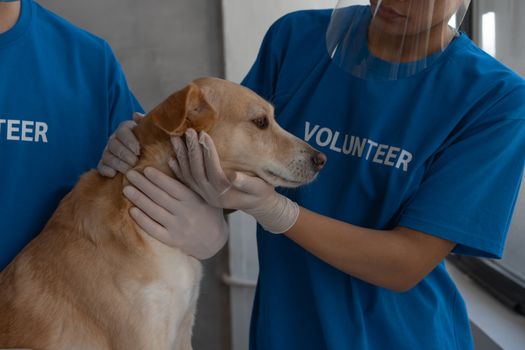
Volunteers in protective gear providing medical care to a dog at a vet clinic. Photo: Mikhail Nilov / Pexels
Once you've identified several potential local animal welfare nonprofits, the next crucial step is to evaluate them to ensure they are reputable, effective, and align with your values. This due diligence will ensure your time, money, and effort are channeled for maximum positive impact. Understanding how to critically assess these organizations is key to making a meaningful contribution. **1. Research Their Mission and Programs:** Start by thoroughly reviewing their website. What is their stated mission? Do their programs reflect this mission? Look for details on their services: do they focus on adoption, spay/neuter, wildlife rescue, advocacy, education, or a combination? A clear, well-defined mission and transparently described programs are good indicators of an organized and purposeful nonprofit. Investigate their adoption processes (if applicable) – are they thorough? Do they include background checks and home visits? These details speak volumes about their commitment to the animals' long-term well-being. **2. Check for Transparency and Accountability:** Reputable nonprofits are transparent about their operations and finances. Look for their 501(c)(3) status, which confirms their tax-exempt charitable organization standing in the US. Websites like Charity Navigator, Guidestar, and the IRS Tax Exempt Organization Search tool allow you to verify this and often provide financial reports, board member information, and program expenses. While smaller, volunteer-run groups might have less elaborate financial reporting, they should still be able to clearly articulate how donations are used. Be wary of organizations that are vague about their financials or that don't provide clear contact information or physical addresses. **3. Read Reviews and Testimonials:** Online reviews on Google, Facebook, or GreatNonprofits.org can offer insights from other volunteers, donors, and adopters. While individual negative reviews can happen, look for patterns. Do many people praise their dedication, cleanliness, or transparency? Or are there recurring complaints about animal care, communication, or management? These anecdotal experiences can provide a human element to your research. Also, look for success stories and testimonials directly on their website or social media – these often highlight the positive impact they're making. **4. Visit (if possible) or Contact Directly:** If geographically feasible, consider visiting the facility. A clean, well-maintained environment, happy animals, and engaged staff are strong positive indicators. Pay attention to how animals are housed and cared for. If a visit isn't possible, reach out to them directly. Call or email with specific questions about their operations, volunteer needs, or donation impact. A responsive, informative, and friendly interaction is a good sign. This direct contact is also your opportunity to express your interest in how you can help, whether through volunteering, fostering, or making a financial contribution. Don't forget to ask about their specific needs; sometimes, in-kind donations of blankets, food, or cleaning supplies are just as valuable as monetary contributions. Making an informed decision when you find a local nonprofit ensures your support creates the greatest good.

Maximizing Your Impact: Tips for Supporting Local Animal Welfare
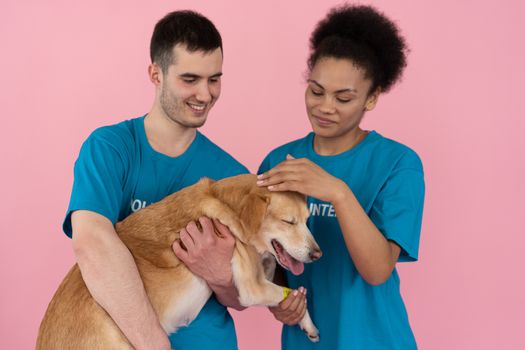
Two volunteers smile while petting a dog in a studio setting. Photo: Mikhail Nilov / Pexels
Once you've identified and vetted local animal welfare nonprofits, the next step is to engage in ways that maximize your positive impact. Your contributions, whether monetary, time-based, or advocacy-driven, are crucial for these organizations to continue their vital work. Here are some actionable tips to ensure your support makes a lasting difference: **1. Volunteer Your Time:** This is one of the most direct and rewarding ways to help. Shelters and rescues always need volunteers for a variety of tasks: walking dogs, cleaning kennels, playing with cats, assisting with adoption events, administrative work, fundraising, or even transportation of animals. If you have specialized skills like photography, graphic design, social media management, or veterinary experience, offer those! Many organizations are understaffed and would greatly benefit from professional expertise. Contact the volunteer coordinator to discuss opportunities that fit your schedule and skills. Even a few hours a month can significantly lighten their load. **2. Become a Foster Parent:** Fostering is a lifeline for many animals, especially puppies, kittens, senior pets, or those recovering from illness or injury. By providing a temporary home, you free up critical space in the shelter, reduce stress for the animal, and give them a chance to decompress and learn to trust again in a home environment. This also allows the organization to learn more about the animal's personality, making it easier to find a suitable forever home. Foster programs are often flexible, and the organization typically covers medical expenses and provides food. **3. Make Strategic Donations:** Financial contributions are always welcome and necessary for operating costs, medical bills, food, and supplies. Consider setting up a recurring monthly donation, no matter how small; consistent income allows nonprofits to plan more effectively. Beyond cash, ask about in-kind donations. Many shelters have wish lists on their websites or Amazon registries for items like blankets, towels, food, toys, cleaning supplies, and office supplies. Donating these items directly frees up funds for other critical needs. If you have old items around your house that are still usable, check if they can be repurposed. **4. Advocate and Educate:** Be an ambassador for animal welfare in your community. Share information about adoptable animals on social media, educate friends and family about responsible pet ownership (e.g., spay/neuter, microchipping, proper training), and speak out against animal cruelty. Attend local government meetings to support animal-friendly legislation. Even small acts of advocacy, like sharing a nonprofit's social media post or leaving a positive review, can broaden their reach and attract more support. Your voice can be a powerful tool for change. **5. Participate in Events and Fundraisers:** Many nonprofits host adoption events, fundraising galas, walkathons, or other community gatherings. Attending these events not only provides financial support but also helps raise awareness and builds community around the cause. They are also great opportunities to meet other animal lovers and network with the organizations directly. Your active participation reinforces the idea that animal welfare is a shared community responsibility and encourages others to get involved.

Comparison

FeatureLocal Shelters/Humane SocietiesBreed-Specific RescuesWildlife Rehab Centers
FocusGeneral animal intake, adoptionSpecific dog/cat breeds, often foster-basedInjured/orphaned wild animals
Primary NeedAdopters, volunteers, general donationsFoster homes, breed-specific expertiseSpecialized medical care, habitat needs
Community ImpactDirect pet adoption, spay/neuterSaving specific breeds, reducing euthanasiaBiodiversity, ecosystem health
Volunteer Opportunities✗ (often requires specialized training)

What Readers Say

"Using this guide, I was able to find local animal welfare nonprofits right in my neighborhood that desperately needed cat foster parents. The process was clear, and I'm now fostering two adorable kittens!"

Sarah J. · Austin, TX

"I wanted to donate locally but wasn't sure where to start. This resource helped me identify reputable animal rescue organizations with transparent financials, giving me confidence in my contribution."

Mark D. · Seattle, WA

"After reading this, I connected with a local wildlife rehabilitation center. I've since started volunteering, and seeing the direct impact on injured birds and small mammals is incredibly fulfilling."

Emily R. · Orlando, FL

"The information provided was comprehensive, though I wish there were more direct links to state-specific directories. Still, it gave me the tools to find several excellent local dog rescues and I'm now volunteering weekly."

David K. · Denver, CO

"As a new resident, I was keen to get involved with animal welfare. This guide made it incredibly easy to find local animal welfare nonprofits that matched my desire to help senior pets, and I've already made several valuable connections."

Jessica L. · Boston, MA

Frequently Asked Questions

What's the best way to find local animal welfare nonprofits if I'm new to an area?

Start by using online search engines with your new city/state and keywords like 'animal shelter' or 'pet rescue.' Websites like Petfinder.com and Adoptapet.com also allow you to search by zip code for adoptable animals and the organizations housing them. Don't forget to check local community Facebook groups and ask your new veterinarian for recommendations.

How can I verify if a local animal welfare nonprofit is legitimate?

Always check for their 501(c)(3) status using the IRS Tax Exempt Organization Search tool. Reputable organizations will also be listed on sites like Charity Navigator or Guidestar, which provide financial transparency and impact ratings. Look for a clear mission, detailed programs, and transparent communication on their website and social media.

Can I volunteer with a local animal welfare nonprofit even if I don't have experience?

Absolutely! Most local animal welfare nonprofits welcome volunteers of all experience levels. Many tasks, such as walking dogs, playing with cats, cleaning, or assisting at adoption events, require minimal training. They often provide orientations and training for specific roles. Just reach out and express your interest; they'll guide you on how you can best help.

Is it better to donate money or supplies to local animal welfare nonprofits?

Both monetary donations and in-kind supplies are incredibly valuable. Monetary donations offer flexibility, allowing organizations to cover critical operational costs, unexpected medical emergencies, or specific needs. However, checking their 'wish list' for supplies like food, blankets, or cleaning products can also be extremely helpful, as it frees up their budget for other expenses. The 'best' option often depends on the specific needs of the organization at that moment.

How do local animal welfare nonprofits differ from national organizations like ASPCA or Humane Society of the US?

Local animal welfare nonprofits often focus directly on the animals within a specific community, managing local shelters, rescue operations, and community outreach programs. National organizations, while sometimes having local branches, typically focus more on broader advocacy, legislative change, public education campaigns, and providing grants or resources to smaller local groups. Supporting local organizations directly impacts animals in your immediate vicinity, addressing community-specific needs.

Who should consider getting involved with find local animal welfare nonprofits?

Anyone with a passion for animals, a desire to give back to their community, or an interest in animal welfare advocacy should consider getting involved. This includes pet owners, animal lovers, students seeking community service, retirees looking for meaningful engagement, and individuals with specific skills (e.g., marketing, veterinary, photography) who want to donate their expertise.

What are the risks of supporting a less reputable animal welfare nonprofit?

Supporting a less reputable nonprofit can mean your donations or time are not used effectively, or worse, may not directly benefit animals. This could include poor animal care standards, lack of transparency in financials, or even involvement in unethical practices. Proper vetting, as outlined in this guide, is crucial to ensure your efforts genuinely contribute to animal well-being and protect your trust in charitable giving.

What future trends might impact how we find local animal welfare nonprofits?

Future trends may include increased reliance on AI for matching volunteers/fosters with specific animal needs, enhanced use of virtual reality for shelter tours and adoption previews, and more sophisticated data analytics to track animal welfare outcomes. Social media platforms will likely continue to evolve as primary communication and fundraising channels, and blockchain technology might emerge for even greater transparency in donations and operations.

Embark on your journey to find local animal welfare nonprofits today. Your dedication, whether through volunteering, fostering, donating, or advocating, can transform the lives of countless animals in your community. Take the first step and become a part of the solution.

Topics: find local animal welfare nonprofitsanimal rescue organizations USsupport animal sheltersvolunteer animal welfaredonate to animal charities
Leo List
Brampton weed
Adultwork