How to Find Free Random Video Calls for Nonprofits
June 26, 2026 18 min read 3,644 words
Unlock new avenues for connection and impact with accessible, no-cost video communication tools for your organization.
Connect Now
Understanding the Value of Free Random Video Calls for Nonprofits
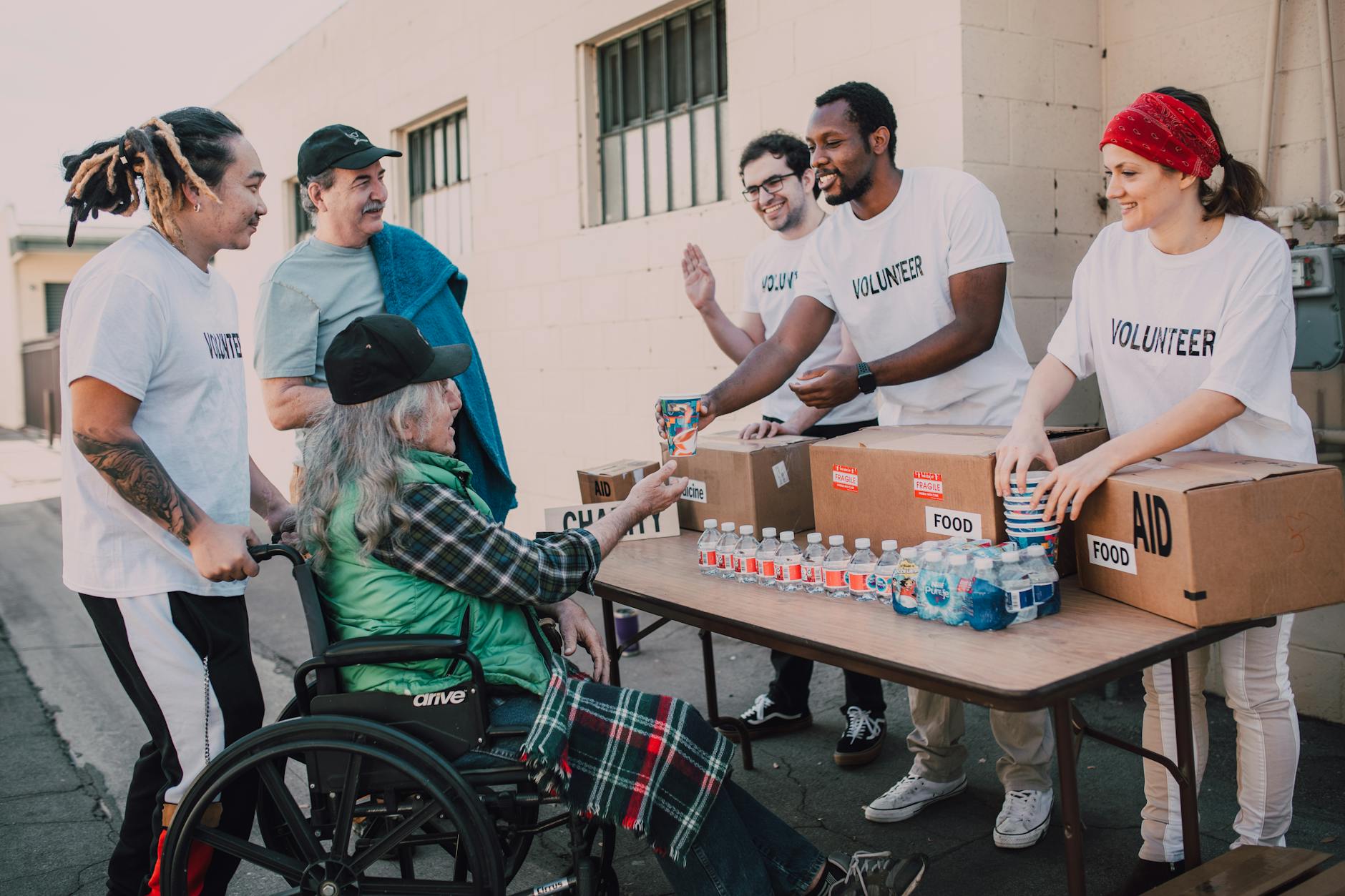
 Photo: Anna Shvets / Pexels
In an increasingly digital world, the ability to connect with people beyond geographical limitations has become indispensable for nonprofits. While planned video conferences and webinars are staples, the concept of 'free random video calls' might seem unconventional at first glance for a nonprofit organization. However, when approached strategically and with appropriate safeguards, these tools can open up unique and powerful avenues for engagement, awareness, and even fundraising. The core value lies in spontaneity and the potential for unexpected connections that can broaden your nonprofit's reach and impact. Imagine a scenario where volunteers, potential donors, or beneficiaries can connect in a less formal, more immediate way, fostering a sense of community and direct interaction that traditional methods might miss. This isn't about aimless chatting; it's about leveraging technology to create bridges. For instance, a nonprofit focused on mentorship could use a curated random connection feature to pair mentors and mentees for quick, informal check-ins, or an advocacy group could host 'random coffee breaks' with potential supporters to discuss their mission. The 'free' aspect is particularly crucial for nonprofits, which often operate with limited budgets. Every dollar saved on communication tools can be redirected towards their core mission, making cost-effective solutions highly desirable. When we talk about 'random video calls' in a nonprofit context, we're not necessarily referring to anonymous, unmoderated platforms that connect users indiscriminately. Instead, it's about tools that facilitate serendipitous connections within a predefined, safe, and moderated environment. This could involve platforms that randomly pair participants for specific time slots, or features within existing video conferencing tools that allow for breakout rooms and shuffle participants for networking. The goal is to break down barriers, encourage diverse perspectives, and build a more inclusive community around your cause. Think of it as a virtual networking event where participants are randomly assigned to small groups for short discussions, providing a dynamic way to meet new people and share ideas related to your nonprofit's work. The power of these interactions lies in their ability to humanize your mission, allowing individuals to hear personal stories, ask questions directly, and feel a more profound connection to the impact you're creating. This direct engagement can be far more compelling than simply reading a newsletter or viewing a pre-recorded message. Furthermore, these tools can democratize access to information and support. For individuals in remote areas or those facing mobility challenges, a free random video call can be a lifeline, offering a chance to connect with peers, experts, or support staff that they might not otherwise encounter. The immediacy and personal nature of video communication can also help build trust and rapport more quickly than text-based interactions. The key is to select platforms and design programs that prioritize safety, privacy, and alignment with your nonprofit's values. By doing so, free random video calls can become a valuable asset in your digital toolkit, fostering genuine connections and amplifying your message in powerful new ways. For more insights on digital engagement, explore
effective digital strategies for nonprofits.
Top Free Platforms and Features for Nonprofit Connection
Identifying the right platforms is critical for nonprofits looking to leverage free random video calls effectively. While purely 'random' platforms (like Omegle) are generally not suitable due to their unmoderated nature and high risk of inappropriate content, many mainstream video conferencing tools offer features or free tiers that can be adapted for structured, safe, and serendipitous connections. The focus should be on tools that provide control, moderation capabilities, and a degree of randomness within a controlled environment. Let's explore some of the best options and their relevant features.
**Zoom:** Widely recognized, Zoom offers a robust free tier that allows for 40-minute meetings with up to 100 participants. While not inherently 'random,' its breakout room feature is incredibly powerful for creating controlled random connections. You can set up a main meeting, then automatically or manually assign participants to smaller breakout rooms for short, focused discussions. This is perfect for virtual networking events, speed-mentoring sessions, or peer support groups where participants are randomly paired or grouped. For nonprofits, the ability to manage these rooms, broadcast messages, and bring everyone back to the main session offers a high degree of control and safety. Furthermore, Zoom's ease of use makes it accessible for a wide range of participants, which is essential for diverse nonprofit audiences. While the 40-minute limit can be a constraint, it's often sufficient for quick, impactful random interactions.
**Google Meet:** Integrated with Google Workspace, Google Meet also offers a free tier that supports meetings with up to 100 participants for up to 60 minutes. Similar to Zoom, while it doesn't have a built-in 'random pairing' button, its integration with Google Calendar and its user-friendly interface make it ideal for setting up structured events where people are randomly assigned to smaller groups. You can use external tools or simple manual processes to create random pairings beforehand, then assign them to separate meeting links or use breakout rooms (available in paid tiers, but can be simulated with multiple free links). Its strong security features and integration with other Google services are a significant plus for nonprofits already using Google tools. The reliability and accessibility across various devices also contribute to its suitability.
**Microsoft Teams:** For nonprofits already using Microsoft 365, Teams offers a comprehensive free version that includes video calling, chat, and file sharing. Its free tier allows for meetings up to 60 minutes with up to 100 participants. Like Zoom, Teams has a robust breakout room feature (available in paid tiers, but worth noting for future scalability) that can facilitate controlled random interactions. Even without direct breakout rooms in the free version, the ability to create multiple channels and invite participants to specific video calls within those channels can simulate a random pairing experience, especially for smaller groups. Its enterprise-grade security and compliance features are a major advantage for organizations handling sensitive data or working with vulnerable populations.
**Jitsi Meet:** An open-source, completely free, and secure video conferencing platform that requires no account creation for participants. Jitsi Meet is excellent for quick, ad-hoc calls. While it lacks built-in random pairing features, its open nature allows for more customization and integration for those with technical expertise. Nonprofits could potentially build simple web applications that leverage Jitsi's API to create random pairings for specific events. Its emphasis on privacy and no-login requirement makes it particularly attractive for reaching beneficiaries who might be hesitant to create accounts or share personal information. The quality can sometimes vary based on internet connection, but its commitment to privacy is a significant benefit.
**Discord:** While primarily known for gaming, Discord's robust voice and video channels, coupled with its server structure, make it a surprisingly versatile tool for community building. Nonprofits can create private servers and set up various voice/video channels. While not 'random' in the traditional sense, you can create specific channels for spontaneous conversations and encourage members to jump in, fostering organic, semi-random interactions. For example, a nonprofit could have a 'random chat room' where members can join whenever they want to connect with whoever else is there. Its strong moderation tools and ability to create roles and permissions make it a safe environment for community management. For a nonprofit focused on youth engagement or specific interest groups, Discord can be a highly effective platform.
When evaluating these options, nonprofits should consider not just the 'random' aspect, but also ease of use, moderation capabilities, security protocols, and integration with existing tools. The goal is to create meaningful, safe, and impactful connections, not just any random call.
For more options, check out monkey-app.net.
Implementing Safe and Effective Random Video Call Strategies
Simply choosing a free platform isn't enough; the true success of incorporating free random video calls into your nonprofit's strategy lies in thoughtful implementation, stringent safety protocols, and clear communication. The 'random' element, while exciting for potential new connections, also introduces potential risks that must be proactively managed. For nonprofits, safeguarding participants is paramount, especially when working with vulnerable populations or discussing sensitive topics. Therefore, a structured approach to randomness is key.
**1. Define Clear Purpose and Guidelines:** Before launching any initiative involving random video calls, articulate a precise purpose. Is it for peer support, informal mentorship, networking, awareness, or something else? Clear objectives will help you design the experience and communicate expectations. Alongside the purpose, establish explicit guidelines for participation. These should cover expected behavior, topics that are off-limits, and a code of conduct. Make sure these guidelines are easily accessible and agreed upon by all participants before they join any call. This preemptive step sets a respectful tone and minimizes the likelihood of inappropriate interactions. For example, a nonprofit connecting individuals with shared health challenges might specify that personal medical advice should not be given, and that discussions should focus on shared experiences and emotional support. You can draw inspiration from established community guidelines found on platforms like
successful online communities for nonprofits.
**2. Implement Robust Moderation and Reporting:** Even with clear guidelines, active moderation is essential. Depending on the scale of your initiative, this could involve: **Pre-screening:** For programs involving specific participant groups (e.g., mentors, beneficiaries), a brief application or screening process can help ensure suitability and commitment. **Trained Moderators:** Have staff or dedicated volunteers present in a supervisory capacity, especially for larger events utilizing breakout rooms. They can float between rooms, respond to issues, and ensure adherence to guidelines. **Easy Reporting Mechanisms:** Participants must have a simple, discreet way to report any inappropriate behavior or technical issues. This could be a private chat with a moderator, a dedicated email address, or an in-platform reporting feature. Prompt action on reports builds trust and maintains a safe environment. **Zero-Tolerance Policy:** Clearly communicate and enforce a zero-tolerance policy for harassment, hate speech, or any form of abuse. Participants must understand that such behavior will result in immediate removal and potential banning from future events.
**3. Control the 'Randomness':** For nonprofits, truly anonymous, wide-open random connections are rarely advisable. Instead, focus on controlled randomness. This means: **Curated Pools:** Limit the pool of participants to specific groups – registered volunteers, members, beneficiaries, or those who have signed up for a particular event. This significantly reduces the risk of encountering malicious actors. **Topic-Specific Pairing:** Design events where random pairings are based on shared interests or pre-selected topics. For instance, a nonprofit advocating for environmental causes could host 'random climate conversations' where participants are paired to discuss specific aspects of environmental action. **Time-Limited Interactions:** Keep random video calls short and focused (e.g., 5-10 minutes per pairing). This reduces the likelihood of discomfort and allows for quicker transitions if an interaction isn't productive. **Optional Participation:** Ensure participation is always voluntary. No one should feel compelled to engage in random video calls if they are uncomfortable.
**4. Prioritize Data Privacy and Security:** When using any digital platform, especially for video calls, data privacy is critical. **Platform Vetting:** Choose platforms with strong encryption, clear privacy policies, and a history of security. Understand how they handle user data and whether they comply with relevant regulations (e.g., GDPR, HIPAA if applicable). **Informed Consent:** Clearly inform participants about what data is collected (if any), how their information will be used, and the nature of the random connections. Obtain explicit consent, especially for recording sessions (which should generally be avoided for random calls unless absolutely necessary and with full consent). **Avoid Sharing Sensitive Information:** Educate participants on the importance of not sharing personal or sensitive information during random calls. Provide guidance on what constitutes appropriate sharing and what should be kept private. By meticulously planning and implementing these strategies, nonprofits can harness the unique power of free random video calls to foster genuine connections, broaden their reach, and further their mission in a safe and impactful manner.
Maximizing Impact and Avoiding Pitfalls with Random Video Connections
Leveraging free random video calls for your nonprofit goes beyond merely setting up a meeting; it requires strategic thinking to maximize impact and a proactive approach to sidestep common pitfalls. The goal is to transform what could be a chaotic experience into a structured, beneficial opportunity for your organization and its community. By focusing on specific objectives and understanding the nuances of digital interaction, nonprofits can turn these tools into powerful engagement mechanisms.
**Tips for Maximizing Impact:**
* **Clear Call to Action (CTA):** Every random video call initiative should have a clear, yet gentle, CTA. This isn't about hard selling, but about guiding participants towards further engagement. For example, after a 10-minute random chat about your cause, direct them to sign up for your newsletter, visit a specific page on your website, or register for a larger event. Make it easy for them to take the next step and deepen their connection with your organization.
* **Themed Sessions:** Don't just open a random video call and hope for the best. Organize themed sessions. For instance, a nonprofit supporting environmental conservation could host a 'Green Ideas Exchange' where participants are randomly paired to discuss innovative solutions for local environmental challenges. A mental health nonprofit might offer 'Peer Support Pop-Ups' for casual, supportive conversations. Themes provide focus and attract participants with shared interests.
* **Facilitator Training:** If using moderators or facilitators, ensure they are well-trained in conflict resolution, active listening, and guiding conversations. They should know how to gently steer discussions, intervene when necessary, and ensure a positive experience for everyone. This is crucial for maintaining a safe and productive environment, especially when dealing with potentially sensitive topics.
* **Follow-Up and Feedback:** Always have a mechanism for follow-up. This could be a quick post-event survey to gather feedback on the experience, helping you refine future initiatives. Personalize follow-up emails that thank participants and reiterate the CTA. This demonstrates your commitment to their experience and strengthens their bond with your nonprofit. Feedback is invaluable for continuous improvement and demonstrating impact.
* **Promote Effectively:** Use your existing communication channels – social media, email newsletters, website – to promote your random video call initiatives. Clearly articulate the benefits for participants, the theme, and the safety measures in place. Use compelling visuals and testimonials (if available) to encourage participation.
**Common Pitfalls to Avoid:**
* **Lack of Moderation:** This is perhaps the biggest pitfall. Unmoderated random calls can quickly devolve into chaos, expose participants to inappropriate content, and damage your nonprofit's reputation. Always have a plan for moderation, even if it's just one dedicated staff member overseeing a small group.
* **Vague Purpose:** Without a clear objective, random video calls can feel aimless and unproductive. Participants won't understand why they're there, leading to low engagement and a wasted opportunity. Define what you hope to achieve and communicate it clearly.
* **Ignoring Technical Issues:** Poor audio, video lag, or confusing interfaces can quickly frustrate participants and lead to drop-offs. Test your chosen platform thoroughly before the event. Provide clear technical instructions and offer support for participants who might encounter issues. A smooth technical experience is foundational for a positive interaction.
* **Over-reliance on Anonymity:** While some degree of anonymity can encourage open conversation, complete anonymity in a nonprofit context can be risky. For random video calls, strive for 'controlled' or 'pseudo-anonymity' where participants know they are connecting with others within a vetted community, even if they don't know the specific individual's name beforehand. This balance helps maintain safety while fostering openness.
* **Neglecting Privacy Concerns:** Ensure all participants understand the privacy settings of the platform and what information (if any) is being shared or recorded. Be transparent about your data handling practices. Any breach of trust regarding privacy can severely damage your nonprofit's credibility and deter future engagement. Always err on the side of caution when it comes to personal data.
By diligently applying these tips and proactively avoiding common pitfalls, your nonprofit can harness the unique potential of free random video calls to foster deeper connections, broaden your community, and ultimately advance your mission in innovative and impactful ways. These tools, when used thoughtfully, can be a game-changer for engagement.