
Mastering Nonprofit Compliance Requirements US
Unlock the secrets to seamless compliance, protecting your mission and ensuring sustainable impact for your nonprofit.
Start Your Compliance JourneyKey Takeaways
- ✓ Nonprofits must maintain federal tax-exempt status (e.g., 501(c)(3)) through annual IRS filings.
- ✓ State-level compliance includes registration, reporting, and sometimes annual renewals for charitable solicitations.
- ✓ Good governance practices, including board oversight and conflict of interest policies, are crucial for compliance.
- ✓ Failure to comply can result in loss of tax-exempt status, fines, and damage to reputation.
How It Works
Begin by securing your federal tax-exempt status with the IRS and incorporating correctly at the state level. This forms the bedrock of all future compliance activities.
Regularly file required forms such as IRS Form 990 annually and renew state charitable solicitation registrations. Proactive scheduling prevents missed deadlines.
Develop and adhere to strong internal policies, including conflict of interest statements, record-keeping protocols, and sound financial management. These protect your organization from within.
Continuously monitor changes in federal, state, and local regulations affecting nonprofits. Adapt your practices to remain compliant and resilient in a dynamic legal landscape.
Understanding Federal Nonprofit Compliance Requirements US
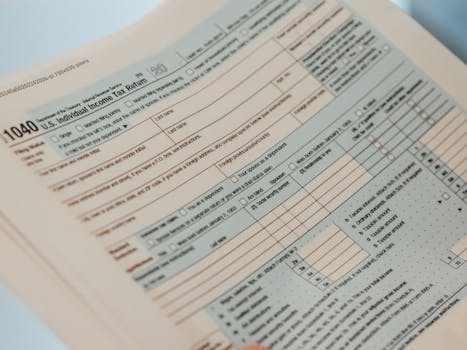 Photo: Kindel Media / Pexels
Navigating State-Specific Charitable Solicitation and Registration
 Photo: Christina Morillo / Pexels
Best Practices in Nonprofit Governance and Financial Oversight
Common Compliance Pitfalls and How to Avoid Them
Comparison
| Compliance Aspect | IRS (Federal) | State Charity Reg. | Good Governance |
|---|---|---|---|
| Primary Authority | IRS | State Attorney General / Sec. of State | Board of Directors |
| Key Requirement | Annual Form 990 | Annual Registration/Renewal | Bylaws, Policies |
| Scope | Tax-exempt status, UBI, lobbying | Fundraising, corporate standing | Ethics, oversight, internal controls |
| Consequence of Non-Compliance | Revocation of 501(c)(3) | Fines, solicitation ban | Loss of trust, legal liability |
What Readers Say
"This guide on nonprofit compliance requirements US was incredibly helpful. It broke down complex IRS filings and state registrations into understandable steps, saving our small charity immense time and stress."
Sarah Chen · Austin, TX"As a new nonprofit director, I felt overwhelmed. This article provided a clear roadmap for our nonprofit compliance requirements US, from federal forms to state solicitations. Highly recommended for anyone in the sector."
David Ramirez · Chicago, IL"We were struggling with multi-state registration for our online fundraising. This resource helped us identify all necessary filings and implement a system that has kept us 100% compliant for the past year."
Emily White · Seattle, WA"The information on governance and financial oversight was particularly valuable. While some parts were dense, the actionable advice on avoiding common pitfalls for nonprofit compliance requirements US was excellent."
Michael Brown · Miami, FL"Our board used this article as a foundational text for understanding our legal obligations. It streamlined our internal policy updates and ensured we're meeting all nonprofit compliance requirements US effectively."
Jessica Lee · Denver, COFrequently Asked Questions
What is the most critical federal nonprofit compliance requirement US?
The most critical federal requirement is the annual filing of IRS Form 990 (or its variants, 990-EZ, 990-PF, or 990-N). Failure to file this form for three consecutive years can lead to automatic revocation of your organization's tax-exempt status, which is a very difficult and costly process to reverse.
Do I need to register in every state if my nonprofit solicits donations online?
Yes, generally, if your nonprofit solicits donations from residents in a state, even through online platforms, you likely need to register in that state for charitable solicitation. Each state has its own specific thresholds and requirements, making multi-state registration a complex but necessary aspect of compliance.
How can I ensure my nonprofit's board is compliant with governance best practices?
To ensure board compliance, establish clear bylaws, implement a robust conflict of interest policy, and provide regular training on fiduciary duties. Encourage active participation, ensure timely review of financial statements, and maintain detailed records of all board meetings and decisions.
What are the financial implications of non-compliance for a nonprofit?
Non-compliance can lead to significant financial penalties, fines, and the potential loss of tax-exempt status. This not only impacts your ability to receive tax-deductible donations but can also lead to back taxes, interest, and legal fees, severely hindering your organization's mission and sustainability.
How does state nonprofit compliance differ from federal compliance?
Federal compliance primarily concerns your tax-exempt status with the IRS and rules around lobbying/political activity. State compliance, on the other hand, focuses on your corporate standing (e.g., annual reports to the Secretary of State) and, crucially, charitable solicitation registration and reporting to protect state residents from fraudulent fundraising.
Who within a nonprofit is responsible for ensuring compliance?
Ultimately, the board of directors holds the fiduciary and legal responsibility for ensuring overall compliance. However, day-to-day management of compliance tasks is typically delegated to the executive director, finance director, or a dedicated compliance officer, often with support from legal and accounting professionals.
What are the risks of ignoring unrelated business income (UBI) rules?
Ignoring UBI rules can result in your nonprofit owing federal income tax on that income, along with potential penalties and interest. Repeated or substantial UBI that is not reported or managed correctly can also raise red flags with the IRS, potentially jeopardizing your tax-exempt status.
What future trends might impact nonprofit compliance requirements US?
Future trends may include increased scrutiny on data privacy (especially for donor information), evolving regulations around digital fundraising and cryptocurrency donations, and potentially more standardized multi-state reporting requirements. Staying agile and informed will be key to adapting to these changes.
Mastering nonprofit compliance requirements US is not just about avoiding penalties; it's about safeguarding your mission and building trust. Take control of your compliance journey today to ensure your organization can continue making a positive impact. Explore our resources and secure your nonprofit's future.