Mastering Nonprofit Grant Writing Tips for Beginners
nonprofit grant writing tips for beginners

Mastering Nonprofit Grant Writing Tips for Beginners

Transform your nonprofit's vision into reality by mastering the art of grant writing, even if you're just starting out.

Start Your Grant Journey

Key Takeaways

  • ✓ Grant funding is a critical revenue stream for many nonprofits, often complementing individual donations and earned income.
  • ✓ Successful grant writing requires meticulous research, strategic planning, and persuasive communication.
  • ✓ Even as a beginner, understanding the core components of a grant proposal significantly increases your chances of success.
  • ✓ Building relationships with funders is as important as the proposal itself.
  • ✓ Persistence and continuous learning are key to long-term grant writing success.

How It Works

1
Understand Your Organization's Needs

Clearly define your mission, programs, and the specific financial gaps you need to fill. This foundational step ensures you seek appropriate funding opportunities.

2
Research Potential Funders

Identify foundations, corporations, and government agencies whose funding priorities align with your nonprofit's work. Thorough research saves time and increases your likelihood of a match.

3
Develop a Compelling Project Narrative

Craft a clear, concise, and persuasive story about your project, its impact, and why your organization is uniquely qualified to execute it. This is the heart of your proposal.

4
Assemble a Strong Application Package

Gather all required documents, including budgets, organizational financials, and supporting materials, ensuring everything is accurate and submitted by the deadline. Attention to detail is paramount.

Laying the Foundation: Understanding Your Nonprofit and the Grant Landscape

Group of diverse volunteers smiling while sorting clothes at a charity donation center. Photo: Julia M Cameron / Pexels
Before you even think about putting pen to paper (or fingers to keyboard) for a grant application, the most crucial step for any beginner in nonprofit grant writing is to profoundly understand your own organization. This isn't just about reciting your mission statement; it's about deeply articulating your purpose, impact, and unique value proposition. Why does your organization exist? What specific problems are you solving in your community? Who benefits from your work, and how? Be able to quantify your impact with data and compelling stories. For instance, if you run a youth mentorship program, how many young people have you served? What are their success rates in school or career placement? What testimonials can you share? Funders are looking for tangible results and a clear understanding of your organizational capacity. Simultaneously, you must begin to understand the grant landscape. This involves recognizing that grants are not just 'free money'; they are strategic investments made by funders who have their own specific philanthropic goals and priorities. These can range from supporting environmental conservation to promoting educational equity or improving public health. Your job is to find the intersection between your nonprofit's needs and a funder's interests. This requires dedicated research. Start by exploring online databases like Foundation Directory Online (often available for free at public libraries), GrantStation, or even government portals like Grants.gov for federal opportunities. Look for foundations that have previously funded organizations similar to yours, or those that focus on the same geographic region or target population. Pay close attention to their mission statements, funding guidelines, past grantees, and any stated restrictions. A common mistake for beginners is applying to every grant they find, which is a waste of precious time and resources. Instead, focus on quality over quantity, targeting funders whose interests align perfectly with your project. Remember, building a strong nonprofit strategic plan is essential before diving into grant applications, as it provides the roadmap for your funding needs. Another foundational aspect is understanding the different types of grants. There are project grants, which fund a specific program or initiative; operating grants, which support general organizational expenses (though these are often harder for beginners to secure); capacity-building grants, which help strengthen your organization's infrastructure; and capital grants, for large purchases like buildings or equipment. Each type has distinct requirements and expectations. Knowing which type of funding you seek will further refine your search for appropriate funders. For example, if you need funds to launch a new after-school program, you'll primarily look for project grants. If you're struggling to cover administrative costs, an operating grant might be more suitable, though you'll need to demonstrate a strong track record and robust financial management. Being able to clearly articulate your funding need and tie it directly to your organization's mission and impact is the bedrock of successful grant writing. This initial groundwork, though time-consuming, will save you countless hours down the line by ensuring you pursue only the most promising opportunities and present a coherent, compelling case for support.

Crafting a Compelling Proposal: Storytelling, Structure, and Substance
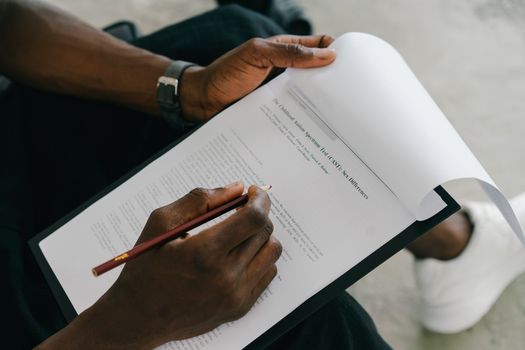
Close-up of a person writing on a psychological assessment form with a pencil. Photo: Mikhail Nilov / Pexels
Once you've identified potential funders and thoroughly understand their priorities, the next critical step is to craft a compelling grant proposal. This is where your ability to tell a story, combined with rigorous data and clear structure, comes into play. A grant proposal is more than just a request for money; it's an opportunity to showcase your organization's impact, vision, and capacity to deliver on its promises. For beginners, breaking down the proposal into its core components can make the process less daunting. Typically, a grant proposal includes an executive summary, statement of need, project description (goals, objectives, activities), organizational capacity, evaluation plan, budget, and supporting documents. Let's delve into the 'statement of need.' This section is paramount. It should clearly articulate the problem your project addresses, using current, relevant data and statistics. Don't just state the problem; demonstrate its urgency and impact on the community you serve. For example, instead of saying, 'There's a need for youth programs,' you might write, 'In [Your City/County], 25% of adolescents aged 12-17 are disengaged from school and community activities, leading to a 30% higher risk of juvenile delinquency compared to the national average.' Follow this data with compelling anecdotes or case studies that humanize the statistics. This emotional connection, backed by data, is incredibly powerful. The project description then outlines how your specific activities will address the identified need, detailing your goals (broad aspirations), objectives (measurable, time-bound steps to achieve goals), and the specific activities you'll undertake. Be precise. If your goal is to 'improve academic performance,' an objective might be 'to increase reading proficiency by 15% among 50 participating students within one academic year.' Your organizational capacity section should convince the funder that your team has the expertise, experience, and resources to successfully execute the proposed project. Highlight key staff members, their qualifications, past successes, and any relevant partnerships. This is where you build trust and demonstrate credibility. The evaluation plan is equally vital; it shows how you will measure your project's success and impact. How will you track progress towards your objectives? What metrics will you use? How will you collect and analyze data? Funders want to know their investment will yield measurable results. Finally, the budget must be realistic, detailed, and directly align with your proposed activities. Every line item should be justified and clearly explained. Avoid vague categories. For instance, instead of 'Supplies: $2,000,' specify 'Art supplies for 50 students: $1,000, Educational workbooks: $500, Office supplies: $500.' Remember to follow the funder's specific formatting and attachment requirements meticulously, as failure to do so can lead to immediate disqualification. Proofread everything multiple times; a polished, error-free proposal reflects professionalism and attention to detail. This comprehensive approach to proposal writing, integrating compelling storytelling with robust data and clear structure, significantly increases your chances of securing funding.

Beyond the Application: Building Relationships and Sustaining Success
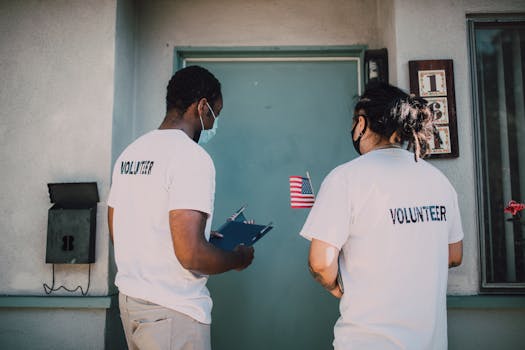
Two volunteers wear masks and visit community homes, engaging in outreach activities. Photo: RDNE Stock project / Pexels
Submitting a grant proposal is not the end of the grant writing journey; in many ways, it's just the beginning of cultivating a relationship with potential funders. For beginners, understanding that grants are often a result of strong relationships, not just strong applications, is a game-changer. After submission, resist the urge to constantly call or email for updates, but do follow up respectfully if the funder indicates a timeframe for response and it passes. If you are invited for an interview or site visit, prepare thoroughly. Be ready to articulate your project's impact, answer questions about your budget, and introduce key team members. These interactions are opportunities to further demonstrate your organization's passion, professionalism, and capacity. Even if your initial application isn't successful, don't view it as a failure. Instead, see it as a learning opportunity. Many foundations are willing to provide feedback on unsuccessful applications, which can be invaluable for improving future proposals. Ask for a debriefing call or email to understand why your application wasn't selected. Was it a misalignment of priorities? Was the proposal unclear in certain areas? Did another organization simply have a stronger fit? Use this feedback to refine your approach and strengthen your next application. Remember, grant writing is often a numbers game, and rejection is a common part of the process. Persistence is key. Successful grant writing is also about stewardship once you receive funding. This means diligently tracking your project's progress, adhering to all reporting requirements, and communicating proactively with the funder about any challenges or successes. Submit interim and final reports on time, providing clear evidence of how their funds were used and the impact they created. Share success stories, photos, and testimonials that bring your data to life. A well-managed grant and strong communication foster trust and significantly increase the likelihood of future funding. This long-term perspective—from initial research to post-award reporting and relationship management—is what differentiates consistently successful grant seekers from those who struggle. Consider attending nonprofit fundraising events or workshops to network and learn directly from funders and experienced grant writers. Building a reputation as a reliable and impactful grantee is your most valuable asset in the competitive world of nonprofit funding. Embrace continuous learning, adapt to feedback, and always prioritize building genuine connections with those who believe in your mission.

Common Pitfalls and Essential Tips for Beginner Grant Writers
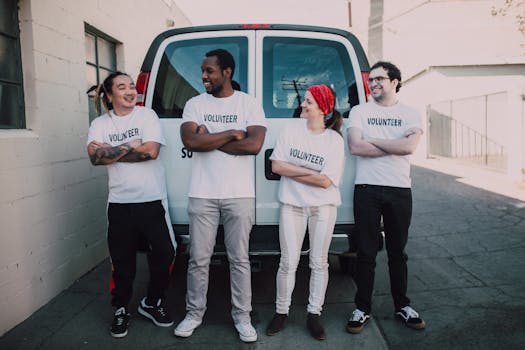
Four diverse volunteers in matching shirts smiling and standing by a van during a community service event. Photo: RDNE Stock project / Pexels
As a beginner, navigating the world of nonprofit grant writing can feel overwhelming, and it's easy to fall into common traps. Recognizing these pitfalls and arming yourself with essential tips can significantly boost your success rate. **Common Pitfalls to Avoid:** * **Applying to Mismatched Funders:** This is perhaps the biggest time-waster. Don't apply if your project doesn't perfectly align with the funder's stated priorities. It's a guaranteed rejection and detracts from more suitable opportunities. * **Vague Language and Lack of Data:** Funders need concrete evidence of need and impact. Avoid generalizations; use specific statistics, research, and measurable outcomes. * **Poorly Written or Unedited Proposals:** Typos, grammatical errors, and unclear sentences reflect poorly on your organization. A messy proposal suggests a lack of attention to detail in your programs as well. * **Ignoring Instructions:** Every funder has specific guidelines for proposal length, formatting, required attachments, and submission methods. Deviating from these is often an automatic disqualification. * **Underestimating Time Commitment:** Grant writing is not a last-minute task. Research, writing, gathering data, securing letters of support, and internal reviews all take significant time. Rushing leads to errors and weak proposals. * **Not Budgeting for Indirect Costs:** Many beginners forget to include a reasonable percentage for administrative or overhead costs. These are legitimate expenses vital for your organization's operation. **Essential Tips for Success:** * **Start Small and Local:** Begin with smaller, local foundations or community grants. They often have less competition and can be great opportunities to build your track record and gain experience. * **Create a Grant Calendar:** Track deadlines, reporting requirements, and follow-up dates for each grant opportunity. This helps manage your workload and ensures you don't miss crucial steps. * **Develop Boilerplate Language (with caution):** Have well-crafted descriptions of your organization's mission, history, and key programs ready. However, always tailor every proposal to the specific funder and project. * **Build a Strong Grant Writing Team:** Even if you're the primary writer, involve program staff for project details, finance staff for budgets, and leadership for strategic alignment. A collaborative approach strengthens the proposal. * **Seek Feedback:** Before submitting, ask a colleague or someone outside your organization to read your proposal with fresh eyes. They can catch errors or areas of confusion you might have overlooked. * **Maintain Records:** Keep meticulous records of all submitted proposals, communications with funders, and grant awards. This institutional knowledge is invaluable for future grant endeavors. * **Attend Funder Webinars/Workshops:** Many foundations offer informational sessions. These are excellent opportunities to learn directly from program officers and ask questions. By being mindful of these common pitfalls and actively implementing these tips, even beginner grant writers can significantly improve their chances of securing vital funding for their nonprofit's mission.

Comparison

FeatureIdeal Grant ProposalCommon Beginner MistakeExperienced Approach
Funder AlignmentPerfect match with mission & prioritiesApplies to any available grantStrategic targeting based on research
Statement of NeedData-driven, compelling, humanizedVague generalities, lacks evidenceStrong evidence, compelling narrative
Project BudgetDetailed, realistic, justifiableGeneric, vague, unrealisticLine-item specific, includes indirects
Organizational CapacityHighlights expertise, track record, teamAssumes competence, minimal detailSpecific examples, key personnel bios
Relationship BuildingProactive engagement, follow-upSubmits and waits, no interactionCultivates long-term funder relationships
Evaluation PlanSpecific, measurable, actionableUndefined or generic metricsClear metrics, data collection methods

What Readers Say

"These nonprofit grant writing tips for beginners transformed my approach. I felt so lost before, but now I have a clear roadmap and just secured our first project grant!"

Sarah J. · Austin, TX

"Extremely helpful advice, especially the section on researching funders. It saved me countless hours of applying to grants that weren't a good fit. Highly recommend for anyone starting out."

David L. · Miami, FL

"Thanks to these guidelines, my small arts nonprofit received a $10,000 grant for our community outreach program. The practical tips on crafting a compelling narrative were invaluable."

Maria P. · Denver, CO

"Good foundation for beginners, though some parts could delve deeper into specific budget justification examples. Still, a solid starting point for understanding the grant process."

Mark T. · Seattle, WA

"As a new development director, these nonprofit grant writing tips for beginners were exactly what I needed. The emphasis on relationship building changed my perspective entirely, leading to more meaningful funder interactions."

Jessica R. · Chicago, IL

Frequently Asked Questions

What is the most important first step for nonprofit grant writing beginners?

The most important first step is a deep understanding of your own organization's mission, programs, and specific funding needs. Clearly articulate your impact, target population, and what problems you solve, as this forms the foundation for all subsequent grant applications and helps you identify suitable funders.

Is grant writing too difficult for someone with no prior experience?

While grant writing requires dedication and attention to detail, it is absolutely not too difficult for beginners. Many resources, including this guide, are designed to break down the process into manageable steps. Starting with smaller, local grants and seeking feedback can build confidence and expertise over time.

How do I find potential grant funders for my nonprofit?

Begin by researching online databases like Foundation Directory Online, GrantStation, or Grants.gov for government opportunities. Look for funders whose mission and priorities align with your organization's work, paying attention to their past grantees, geographic focus, and any specific program areas they support.

What kind of budget details do I need for a grant proposal?

A grant budget needs to be detailed, realistic, and directly align with your proposed project activities. Itemize all expenses, from personnel salaries and program supplies to administrative overhead, and be prepared to justify each line item. Transparency and accuracy are crucial for funder trust.

What if my first grant application is rejected?

Rejection is a common part of the grant writing process. Don't be discouraged. View it as a learning opportunity. Politely request feedback from the funder to understand why your application wasn't selected, then use that insight to refine your next proposal and improve your strategy. Persistence is key.

Who should be involved in the grant writing process within a nonprofit?

Ideally, grant writing should be a collaborative effort. Involve program staff for project specifics, finance staff for budget development, and leadership for strategic alignment and overarching vision. A team approach ensures accuracy, comprehensive understanding, and a stronger, more cohesive proposal.

How can I ensure my grant proposal stands out from others?

To make your proposal stand out, focus on a compelling, data-driven narrative that clearly articulates the problem, your unique solution, and measurable impact. Meticulously follow all funder guidelines, present a realistic and detailed budget, and demonstrate strong organizational capacity and a clear evaluation plan.

Are there any emerging trends in nonprofit grant funding that beginners should be aware of?

Emerging trends include an increased focus on equity, diversity, and inclusion; a greater demand for measurable impact and data-driven results; and a rise in collaborative funding initiatives. Funders are also increasingly interested in innovative approaches to long-standing problems and sustainable solutions.

Embark on your journey to secure vital funding for your nonprofit. By applying these nonprofit grant writing tips for beginners, you'll be well-equipped to craft compelling proposals, build meaningful funder relationships, and ultimately, achieve your organization's mission. Start today and transform your vision into reality.

Topics: nonprofit grant writing tips for beginnersgrant proposal writing for nonprofitssecuring nonprofit fundinggrant application strategiesnonprofit fundraising guide
Leo List
Brampton weed
Adultwork EstrelaBet Vai de Bet R7 Bet Betão Galera Bet Rainbet Bet9ja Shop SportyBet BetKing Sisal Loto Foot Hollywoodbets YesPlay Odibets RushBet Jugabet BetWarrior BetCity MSport betPawa Fortebet