
How to Start a Nonprofit for Animal Welfare: Your Guide
Transform your passion into purpose by establishing a thriving animal welfare nonprofit organization.
Begin Your Journey NowKey Takeaways
- ✓ Establishing a 501(c)(3) status is crucial for tax-exempt donations.
- ✓ A strong mission statement is the foundation of your animal welfare nonprofit.
- ✓ Community engagement and volunteer recruitment are vital for operational success.
- ✓ Compliance with state and federal regulations is mandatory throughout the process.
How It Works
Clearly articulate what specific animal welfare issue you aim to address and your long-term aspirations. This foundational step guides all subsequent decisions and attracts like-minded supporters.
Choose your legal entity (usually a non-profit corporation) and file articles of incorporation with your state. This establishes your organization as a legal entity, a prerequisite for federal tax-exempt status.
Apply to the IRS for 501(c)(3) tax-exempt status, which allows donors to deduct contributions and exempts your organization from federal income tax. This is a critical step for fundraising and credibility.
Develop operational plans, recruit a dedicated board and volunteers, and begin fundraising efforts. With legal status secured, you can focus on program delivery and financial sustainability.
Laying the Foundation: Mission, Vision, and Initial Planning for Animal Welfare
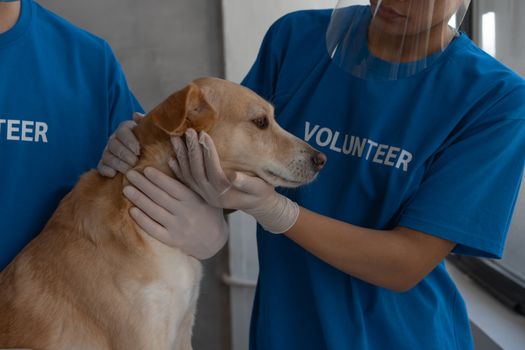 Photo: Mikhail Nilov / Pexels
Navigating the Legal Landscape: Incorporation and 501(c)(3) Status
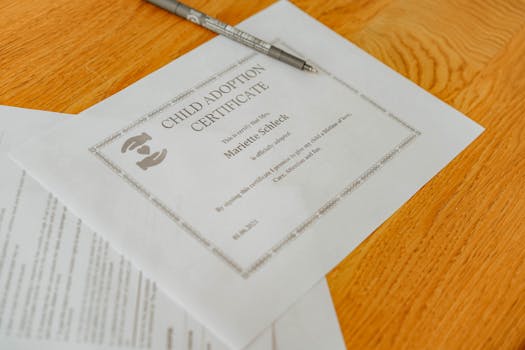 Photo: olia danilevich / Pexels
Building a Sustainable Future: Fundraising, Operations, and Impact
 Photo: RDNE Stock project / Pexels
Common Pitfalls and Best Practices for Animal Welfare Nonprofits
 Photo: Mia X / Pexels
Comparison
| Feature | Nonprofit Animal Welfare (501c3) | For-Profit Animal Business | Informal Rescue Group |
|---|---|---|---|
| Tax-Deductible Donations | ✓ (for donors) | ✗ | ✗ (unless fiscal sponsorship) |
| Legal Structure | Formal Corp. | Sole Prop./LLC/Corp. | No Formal Structure |
| Primary Motivation | Public Benefit | Profit Generation | Passion/Goodwill |
| Funding Sources | Grants, Donations, Events | Sales, Services | Personal Funds, Small Donations |
| Compliance Burden | High (IRS, State AG) | Moderate (Business Lic.) | Low (but risky) |
| Public Perception | High Trust/Credibility | Business-oriented | Variable, less formal |
| Access to Grants | ✓ | ✗ | ✗ |
What Readers Say
"This guide was instrumental in helping me understand the complex steps to start a nonprofit for animal welfare. The breakdown of legal requirements and fundraising strategies was incredibly clear and actionable, making a daunting process feel manageable."
Sarah J. · Austin, TX"As someone passionate about animal rescue, I felt overwhelmed by the thought of starting an organization. This article provided a fantastic roadmap, especially the advice on defining a specific niche and building a diverse board."
Mark D. · Portland, OR"Following the steps outlined here, we successfully obtained our 501(c)(3) status within 9 months and are now actively rescuing stray animals in our community. The emphasis on legal compliance truly paid off."
Emily R. · Miami, FL"The information on fundraising was very helpful, though I would have liked a bit more detail on specific grant-writing tips. Overall, a comprehensive and highly recommended resource for anyone looking to make a difference."
David L. · Denver, CO"I used this guide to help establish the operational framework for our new animal sanctuary. The sections on volunteer management and measuring impact were particularly valuable for setting up efficient and effective programs."
Jessica M. · Chicago, ILFrequently Asked Questions
What is the very first step to start a nonprofit for animal welfare?
The very first step is to clearly define your mission and vision. Articulate what specific animal welfare problem you want to solve, for whom, and what your long-term goals are. This foundational clarity will guide all subsequent legal, operational, and fundraising decisions, ensuring your efforts are focused and impactful.
Is it difficult to get 501(c)(3) status for an animal welfare organization?
While obtaining 501(c)(3) status is a complex and detailed process, it is achievable with careful planning and accurate documentation. The IRS application (Form 1023) requires significant information, and errors can lead to delays. Many organizations seek legal or accounting assistance to navigate this crucial step successfully.
How do I find funding for my new animal welfare nonprofit?
Funding for a new animal welfare nonprofit typically comes from a diverse range of sources. This includes individual donations, grants from foundations and corporations, fundraising events, and potentially earned income from services. Building strong relationships with donors and effectively communicating your impact are key to securing financial support.
What are the typical costs involved in starting an animal welfare nonprofit?
Initial costs can vary significantly but generally include state incorporation fees (ranging from $50-$300), IRS 501(c)(3) application fees (currently $275 or $600 depending on projected gross receipts), legal and accounting fees (if you seek professional help, which can be thousands), and initial operational expenses like insurance, website development, and basic supplies. These costs can range from a few hundred to several thousand dollars.
Should I partner with an existing animal welfare organization?
Partnering with an existing animal welfare organization can be a highly beneficial strategy, especially for new groups. It can provide access to established resources, mentorship, shared volunteers, and greater credibility in the community. It's often more effective to collaborate and fill specific gaps than to duplicate services, leading to a stronger collective impact for animals.
Who should consider starting an animal welfare nonprofit?
Anyone with a deep passion for animal welfare, a clear vision for addressing specific needs, and the dedication to navigate legal and operational complexities should consider starting a nonprofit. It requires strong leadership, organizational skills, the ability to build a team, and a long-term commitment to the cause.
What are the risks of operating an animal welfare nonprofit without proper legal status?
Operating without proper legal status (especially 501(c)(3)) carries significant risks. You cannot offer tax deductions to donors, severely limiting fundraising potential. You may face personal liability for organizational debts or lawsuits, and you could be subject to fines or legal action for non-compliance with state and federal regulations. It also severely impacts credibility and trust.
What future trends might impact animal welfare nonprofits?
Future trends include increased reliance on technology for fundraising and outreach, a growing emphasis on data-driven impact measurement, evolving public awareness of animal sentience and rights, and potential shifts in legislation related to animal welfare. Nonprofits will need to be adaptable and innovative to thrive in this changing landscape.
Ready to turn your compassion into concrete action? Use this comprehensive guide to start a nonprofit for animal welfare and make a lasting difference in the lives of animals. Your journey to impact begins now.