
Empower Futures: Support Children's Education Nonprofits US
Investing in youth education through nonprofits cultivates a brighter, more equitable future for American children.
Find Your ImpactKey Takeaways
- ✓ Over 12 million children in the US live in poverty, impacting their access to quality education.
- ✓ Nonprofits provide critical resources like tutoring, after-school programs, and school supplies that public schools often lack.
- ✓ Every dollar invested in early childhood education can yield a return of $4 to $9 in societal benefits.
- ✓ Philanthropic giving to education in the US reached over $70 billion in a recent year, highlighting public commitment.
How It Works
Determine which aspect of children's education resonates most with you: early literacy, STEM, access for underserved communities, or specific school support. This helps narrow down suitable nonprofits.
Utilize reputable charity evaluators like Charity Navigator, GuideStar, or BBB Wise Giving Alliance to assess a nonprofit's financial health, transparency, and program effectiveness. Look for strong impact metrics.
Decide how you want to contribute: financial donations (one-time or recurring), volunteering time, donating goods, or advocating for policy changes. Each method offers unique ways to make a difference.
After contributing, stay engaged by signing up for newsletters, attending events, or following their social media. Many nonprofits provide impact reports detailing how your support helps children thrive.
The Critical Need to Support Children's Education Nonprofits US
 Photo: RDNE Stock project / Pexels
Identifying High-Impact Education Charities in America
 Photo: RDNE Stock project / Pexels
Diverse Ways to Fund Children's Learning in the US
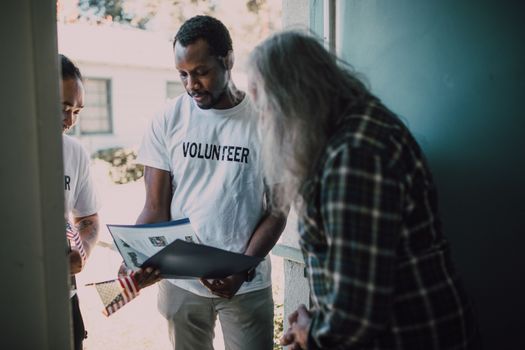 Photo: RDNE Stock project / Pexels
Maximizing Your Impact: Tips for Supporting Education Nonprofits
 Photo: Ron Lach / Pexels
Comparison
| Feature | Direct Financial Donation | Volunteering Time | Donating Goods | Corporate Matching |
|---|---|---|---|---|
| Immediate Impact | High | Medium | Medium | High |
| Personal Engagement | Low | High | Medium | Low |
| Flexibility | High | Medium | Medium | High |
| Resource Efficiency | ✓ | ✓ | ✗ (can incur handling costs) | ✓ |
| Ease of Contribution | High | Medium | Medium | High |
| Tax Deductibility | ✓ | ✗ (time not deductible, expenses are) | ✓ | ✓ |
What Readers Say
"Supporting children's education nonprofits in the US through 'Books for Bright Futures' has been incredibly rewarding. Their dedication to early literacy in underserved communities is truly inspiring, and I've seen firsthand the joy a new book brings to a child."
Sarah J. · Austin, TX"I've been a recurring donor to 'STEM Innovators' for three years now. Knowing my contributions help fund engaging science workshops for kids who wouldn't otherwise have access makes me proud to support children's education nonprofits in the US."
Michael D. · Chicago, IL"As a volunteer tutor for 'Future Scholars Prep,' I've witnessed students' grades and confidence skyrocket. This organization's commitment to academic excellence and college readiness provides concrete, life-changing results for high schoolers."
Emily R. · Miami, FL"While 'Access & Opportunity' does amazing work getting technology into classrooms, their reporting could be a bit more granular on specific school impacts. Still, their overall mission to support children's education nonprofits in the US is vital, and I continue to contribute."
David L. · Seattle, WA"Our company started an employee matching program for 'Kids Code US,' and the engagement has been fantastic. It's a simple way for us to collectively support children's education nonprofits in the US and foster future tech talent."
Jessica M. · Denver, COFrequently Asked Questions
What are the most impactful ways to support children's education nonprofits in the US?
The most impactful ways often involve recurring financial donations to highly-rated organizations, volunteering your specialized skills (e.g., tutoring, marketing), or advocating for their cause. Researching a nonprofit's specific needs and impact reports can guide your choices towards maximum effectiveness.
How can I ensure my donation to an education nonprofit is used effectively?
To ensure effective use, research nonprofits on sites like Charity Navigator or GuideStar, focusing on their financial transparency, program expenses (ideally 75% or more), and measurable impact. Look for organizations that clearly articulate their goals and demonstrate positive outcomes for children.
Can I volunteer remotely for children's education nonprofits in the US?
Yes, many children's education nonprofits offer remote volunteering opportunities, especially for tasks like virtual tutoring, mentoring, grant writing, social media management, or data entry. Check their websites or contact their volunteer coordinators for specific remote roles available.
Are donations to children's education nonprofits tax-deductible?
Generally, donations to qualified 501(c)(3) children's education nonprofits in the US are tax-deductible. Always keep records of your contributions and consult with a tax professional for advice specific to your financial situation.
How do US education nonprofits differ from public school foundations?
While both support education, US education nonprofits often have a broader scope, serving multiple schools, districts, or even national initiatives, and may focus on specific issues like literacy or STEM. Public school foundations typically raise funds exclusively for a single school or district, directly supplementing their local budget and programs.
Who benefits most from supporting children's education nonprofits in the US?
Primarily, children from underserved communities, those with learning disabilities, and students lacking access to critical resources benefit most. However, society as a whole benefits through a more educated workforce, reduced social disparities, and a stronger, more engaged citizenry.
What are the risks of donating to an unvetted education charity?
Donating to an unvetted charity carries risks of financial mismanagement, inefficient use of funds, or even fraudulent activity, meaning your contribution might not reach the children it's intended to help. Always verify a charity's legitimacy and effectiveness before donating.
What is the future trend for supporting children's education nonprofits in the US?
Future trends point towards increased emphasis on data-driven impact, personalized learning solutions, digital literacy, and holistic child development. Nonprofits will likely leverage technology more for outreach and program delivery, adapting to evolving educational needs and challenges.
Ready to make a tangible difference in the lives of young learners? Take the next step to support children's education nonprofits in the US today. Your contribution, whether time, talent, or treasure, is an investment in a brighter future for America's children. Explore vetted organizations and join the movement to empower the next generation.