Maximize Impact: Volunteer Opportunities for Nonprofits
volunteer opportunities for nonprofits

Maximize Impact: Volunteer Opportunities for Nonprofits

Unleash the full potential of your mission by strategically leveraging dedicated volunteers and empowering community action.

Boost Your Volunteer Program

Key Takeaways

  • ✓ Over 60 million Americans volunteer annually, contributing billions of hours to nonprofits.
  • ✓ Volunteers provide an average of 140 hours of service per year.
  • ✓ Effective volunteer management can increase a nonprofit's capacity by up to 50%.
  • ✓ 80% of nonprofits rely heavily on volunteers to deliver their programs and services.

How It Works

1
Define Your Needs

Clearly identify the specific tasks, skills, and time commitments required for various roles. This ensures alignment between your organizational goals and volunteer contributions.

2
Recruit Strategically

Utilize targeted channels and compelling messaging to attract volunteers who are passionate about your cause. Highlight the impact they can make and the benefits of their involvement.

3
Engage & Train

Provide comprehensive onboarding and ongoing training to equip volunteers with the necessary skills and knowledge. Foster a welcoming environment that encourages participation and growth.

4
Recognize & Retain

Regularly acknowledge and appreciate your volunteers' efforts and contributions. Strong recognition programs are crucial for building loyalty and ensuring long-term retention.

Understanding the Power of Volunteer Opportunities for Nonprofits

Dedicated volunteers sorting donation boxes indoors for community support. Photo: Gustavo Fring / Pexels
In the vibrant ecosystem of nonprofit organizations across the United States, volunteers are not merely helpers; they are the lifeblood, the unsung heroes who transform ambitious visions into tangible realities. The strategic development and management of volunteer opportunities for nonprofits can dramatically amplify an organization's reach, deepen its community roots, and significantly expand its capacity without incurring prohibitive costs. Imagine a small animal shelter, struggling to keep up with daily care and administrative tasks. With a well-structured volunteer program, individuals passionate about animal welfare can step in to walk dogs, clean kennels, assist with adoptions, and even manage social media. This not only frees up paid staff to focus on specialized medical care or fundraising but also builds a resilient community around the cause. The economic value of volunteer time is substantial; according to Independent Sector, the estimated national value of a volunteer hour was $31.80 in 2023. Multiply that by the millions of hours contributed annually, and it becomes clear that volunteers inject billions of dollars worth of service into the nonprofit sector. Beyond the financial aspect, volunteers bring diverse skill sets, fresh perspectives, and a genuine enthusiasm that can invigorate an organization. They serve as ambassadors in the community, spreading awareness and garnering support for your mission. For a nonprofit, understanding how to effectively harness this power begins with recognizing that volunteer engagement is not a one-size-fits-all endeavor. It requires careful planning, thoughtful recruitment, robust training, and consistent appreciation. Organizations must move beyond ad-hoc requests and build a systematic approach to integrating volunteers into their operational fabric. This includes defining clear roles, setting measurable goals for volunteer impact, and creating pathways for volunteers to grow within the organization. The return on investment for a well-managed volunteer program extends far beyond the immediate tasks completed; it fosters a sense of shared ownership, strengthens public perception, and cultivates a loyal base of supporters who are invested in the long-term success of the nonprofit's mission. Building a thriving volunteer program is an investment in your organization's future, ensuring sustainability and expanding your capacity to serve those in need. It's about empowering individuals to contribute their time and talents in meaningful ways, creating a win-win scenario where the nonprofit achieves its goals, and volunteers experience personal fulfillment and a sense of belonging.

Crafting Compelling Volunteer Roles and Recruitment Strategies

A diverse group of young volunteers organizing donations indoors with a cheerful atmosphere. Photo: Gustavo Fring / Pexels
The success of any volunteer program hinges on its ability to attract and retain dedicated individuals, which starts with crafting compelling volunteer roles and employing strategic recruitment. Simply posting a generic call for 'help' is rarely effective. Instead, nonprofits must think like marketers, highlighting the unique impact and personal growth opportunities each role offers. Begin by conducting a thorough needs assessment: What specific tasks are currently overwhelming staff? What specialized skills could enhance your services? Do you need short-term project-based support or long-term commitment? For instance, a food bank might identify a need for data entry specialists to manage inventory, drivers for food delivery, or event planners for fundraising galas. Each of these roles requires different skill sets and time commitments, and tailoring the description to reflect these specifics is crucial. A compelling role description goes beyond listing duties; it paints a picture of the difference a volunteer will make. Instead of 'filing documents,' consider 'organizing critical client records to ensure seamless service delivery.' Instead of 'answering phones,' try 'being the welcoming voice that connects individuals in crisis with vital support.' This human-centric language resonates deeply with potential volunteers who are seeking meaning and impact. Once roles are defined, the next step is strategic recruitment. This involves identifying where your target volunteers are and how best to reach them. If you need tech-savvy individuals, online volunteer platforms, university computer science departments, or professional networking groups might be ideal. For those passionate about environmental causes, local conservation groups, nature centers, or community clean-up events are prime recruiting grounds. Leverage your existing network: current donors, board members, and even beneficiaries can be excellent sources of new volunteers. Social media campaigns with engaging visuals and testimonials can also be highly effective. Partnering with corporations for employee volunteer programs or with local schools and universities for student service learning opportunities can open up new pipelines of talent. Remember, recruitment is an ongoing process, not a one-time event. Continuously evaluate which channels yield the most suitable volunteers and refine your messaging based on feedback and results. Emphasize flexibility where possible, offering opportunities for remote work, evening, or weekend shifts to accommodate diverse schedules. By strategically crafting roles and targeting recruitment efforts, nonprofits can build a robust and enthusiastic volunteer base ready to drive their mission forward.

Effective Onboarding, Training, and Retention for Volunteer Opportunities
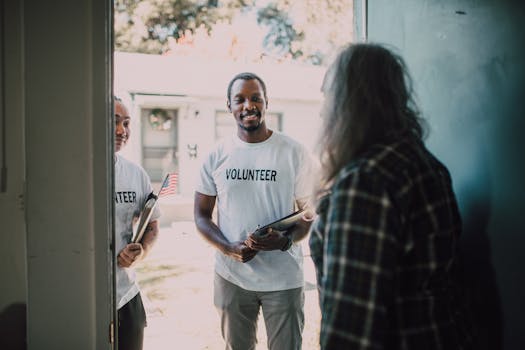
Two diverse volunteers, holding documents, visit a home to offer community support and services. Photo: RDNE Stock project / Pexels
Once you've successfully recruited volunteers, the journey has only just begun. Effective onboarding, comprehensive training, and thoughtful retention strategies are paramount to maximizing the impact of volunteer opportunities for nonprofits and ensuring their long-term commitment. A well-structured onboarding process sets the tone for the entire volunteer experience. It should make new volunteers feel welcomed, valued, and informed. This includes an orientation session that covers the organization's mission, history, values, and the specific impact of their role. Provide a volunteer handbook outlining policies, procedures, and expectations. Introduce them to key staff members and fellow volunteers, fostering a sense of community from day one. Clarity on roles, responsibilities, and reporting structures prevents confusion and empowers volunteers to perform confidently. Beyond initial orientation, ongoing training is crucial, especially for roles requiring specific skills or knowledge. This could range from formal workshops on data privacy for administrative volunteers to hands-on demonstrations for those working directly with beneficiaries. Providing training demonstrates your investment in their growth and helps them feel more competent and effective. Consider developing a mentorship program where experienced volunteers guide newcomers, which not only aids in training but also strengthens peer bonds and fosters a supportive environment. The ultimate goal is retention, which is significantly influenced by how volunteers feel about their experience. Regular communication is vital; keep volunteers informed about organizational news, successes, and challenges. Solicit their feedback through surveys or informal check-ins and genuinely listen to their suggestions. Volunteers want to know their contributions matter, so provide regular updates on the collective impact of their efforts. Recognition is perhaps the most powerful retention tool. This doesn't always mean grand ceremonies; it can be as simple as a heartfelt thank-you email, a shout-out in a newsletter, a small token of appreciation, or celebrating milestones. Connect their individual tasks to the broader mission, showing them how their efforts directly contribute to the nonprofit's goals. Offering opportunities for advancement, taking on more responsibility, or leading projects can also motivate long-term engagement. By investing in robust onboarding, continuous training, and genuine appreciation, nonprofits can transform occasional helpers into dedicated, long-term advocates who are deeply committed to the cause.

Common Pitfalls and Best Practices in Volunteer Management

A man holds a 'Volunteers Needed' sign in a charitable organization setting, highlighting the need for help. Photo: Julia M Cameron / Pexels
Even with the best intentions, managing volunteer opportunities for nonprofits can present challenges. Understanding common pitfalls and implementing best practices is essential for a thriving program. One frequent mistake is a lack of clear communication. Volunteers need to know what's expected of them, when, and how their work contributes. Ambiguity leads to frustration and disengagement. Another pitfall is underutilization or over-reliance. Some organizations assign volunteers menial tasks, making them feel unvalued, while others dump critical responsibilities on them without adequate support, leading to burnout. Failing to provide proper training or supervision is also detrimental, as it leaves volunteers ill-equipped and can lead to errors or safety concerns. Lastly, neglecting recognition is a surefire way to lose dedicated volunteers; people need to feel appreciated. To avoid these pitfalls, here are some best practices: * **Clear Role Descriptions:** Develop detailed, inspiring job descriptions that outline responsibilities, required skills, time commitment, and the impact of the role. * **Robust Onboarding & Training:** Implement a structured orientation, provide necessary training, and offer ongoing support and resources. * **Effective Communication:** Maintain open, regular communication. Keep volunteers informed about organizational updates, program successes, and how their contributions make a difference. * **Meaningful Engagement:** Assign tasks that are challenging, engaging, and align with a volunteer's skills and interests. Empower them with responsibility and decision-making where appropriate. * **Regular Feedback & Recognition:** Provide constructive feedback and solicit theirs. Implement a diverse recognition program, from simple thank-yous to formal awards, to show appreciation for their time and effort. * **Flexibility & Accessibility:** Offer a variety of volunteer opportunities, including remote, short-term, and project-based roles, to accommodate different schedules and skill sets. * **Cultivate Community:** Create opportunities for volunteers to connect with each other and staff, fostering a sense of belonging and shared purpose. * **Safety First:** Ensure a safe working environment and provide clear guidelines and training, especially for roles involving vulnerable populations or physical tasks. By proactively addressing potential issues and consistently applying these best practices, nonprofits can cultivate a highly motivated, effective, and loyal volunteer workforce.

Comparison

FeatureDedicated Volunteer SoftwareSpreadsheet ManagementGeneral Project ToolsDedicated Volunteer Software
Volunteer DatabaseLimited
Shift SchedulingManualLimited
Communication ToolsExternalExternal
Impact TrackingManualManual
Onboarding WorkflowManualManual
ReportingRobustBasicBasicRobust
CostVaries (tiered)FreeVariesVaries (tiered)

What Readers Say

"Our nonprofit struggled with volunteer retention until we revamped our volunteer opportunities. The new structured roles and consistent communication have made a huge difference; volunteers feel genuinely valued and empowered."

Sarah J. · Austin, TX

"Implementing a more strategic approach to volunteer opportunities for nonprofits transformed our outreach program. We now have a dedicated team that truly believes in our cause, leading to unprecedented community engagement."

Mark D. · Seattle, WA

"By focusing on meaningful volunteer opportunities, our food bank increased our distribution capacity by 30% in just six months. Our volunteers are now more engaged and passionate, directly impacting our ability to serve more families."

Emily R. · Miami, FL

"While integrating new volunteer opportunities initially required significant effort, the long-term benefits are undeniable. We've built a stronger community around our environmental initiatives, though occasional communication hiccups still occur."

David L. · Denver, CO

"As a small arts nonprofit, we rely heavily on volunteers. By creating diverse and flexible volunteer opportunities, we've attracted a talented pool of individuals who help with everything from gallery management to event planning, enriching our entire organization."

Jessica M. · Boston, MA

Frequently Asked Questions

What are the most effective ways to recruit volunteers for a nonprofit?

The most effective recruitment strategies involve clearly defining compelling roles, utilizing targeted channels like online volunteer platforms, social media, and community partnerships, and leveraging existing networks. Highlighting the impact and personal growth opportunities associated with each role significantly boosts attraction.

How can our nonprofit retain volunteers long-term?

Volunteer retention hinges on consistent communication, meaningful engagement, and genuine recognition. Provide regular feedback, involve them in decision-making where appropriate, and express appreciation for their contributions. Fostering a sense of community and offering opportunities for growth also greatly aids retention.

What kind of training should we provide for new volunteers?

New volunteers should receive comprehensive onboarding that includes an orientation to your mission, values, and policies. Role-specific training, whether formal or informal, is crucial to equip them with the necessary skills and knowledge to perform their tasks effectively and safely.

Is there a cost associated with managing volunteer opportunities?

While volunteers contribute free labor, there are indirect costs associated with managing volunteer opportunities, including staff time for recruitment, training, supervision, background checks, and recognition programs. Investing in volunteer management software can also be a cost, but often yields significant efficiency gains.

How do volunteer opportunities differ for small vs. large nonprofits?

Small nonprofits often rely on volunteers for a wider range of core operational tasks due to limited staff, requiring versatile volunteers. Large nonprofits may have more specialized volunteer roles and more structured management systems, but both benefit from clear roles, good communication, and strong recognition strategies.

Who benefits most from robust volunteer opportunities for nonprofits?

Everyone benefits! The nonprofit gains increased capacity, diverse skills, and community support. The beneficiaries receive enhanced services. Volunteers gain new skills, social connections, a sense of purpose, and personal fulfillment. Communities become stronger and more resilient.

What are the legal considerations when engaging volunteers?

Nonprofits must be aware of legal considerations such as volunteer insurance (liability, accident), background checks for roles involving vulnerable populations, and ensuring clear distinctions between employees and volunteers to avoid minimum wage and overtime issues. Consulting legal counsel is recommended for specific guidance.

What trends are shaping the future of volunteer opportunities for nonprofits?

Future trends include a rise in virtual volunteering, micro-volunteering (short, high-impact tasks), skills-based volunteering, and a greater demand for flexibility and personalized experiences. Nonprofits will increasingly leverage technology for recruitment, management, and impact tracking.

Unlock the full potential of your mission by strategically designing and managing impactful volunteer opportunities for nonprofits. Empower your community, amplify your reach, and build a sustainable future with a dedicated volunteer force. Start transforming your organization today!

Topics: volunteer opportunities for nonprofitsnonprofit volunteer managementcommunity engagement strategiesvolunteer recruitmentnonprofit impact
Leo List
Brampton weed
Adultwork